

Chimney Repair in Orlando: Structural Safety Guide
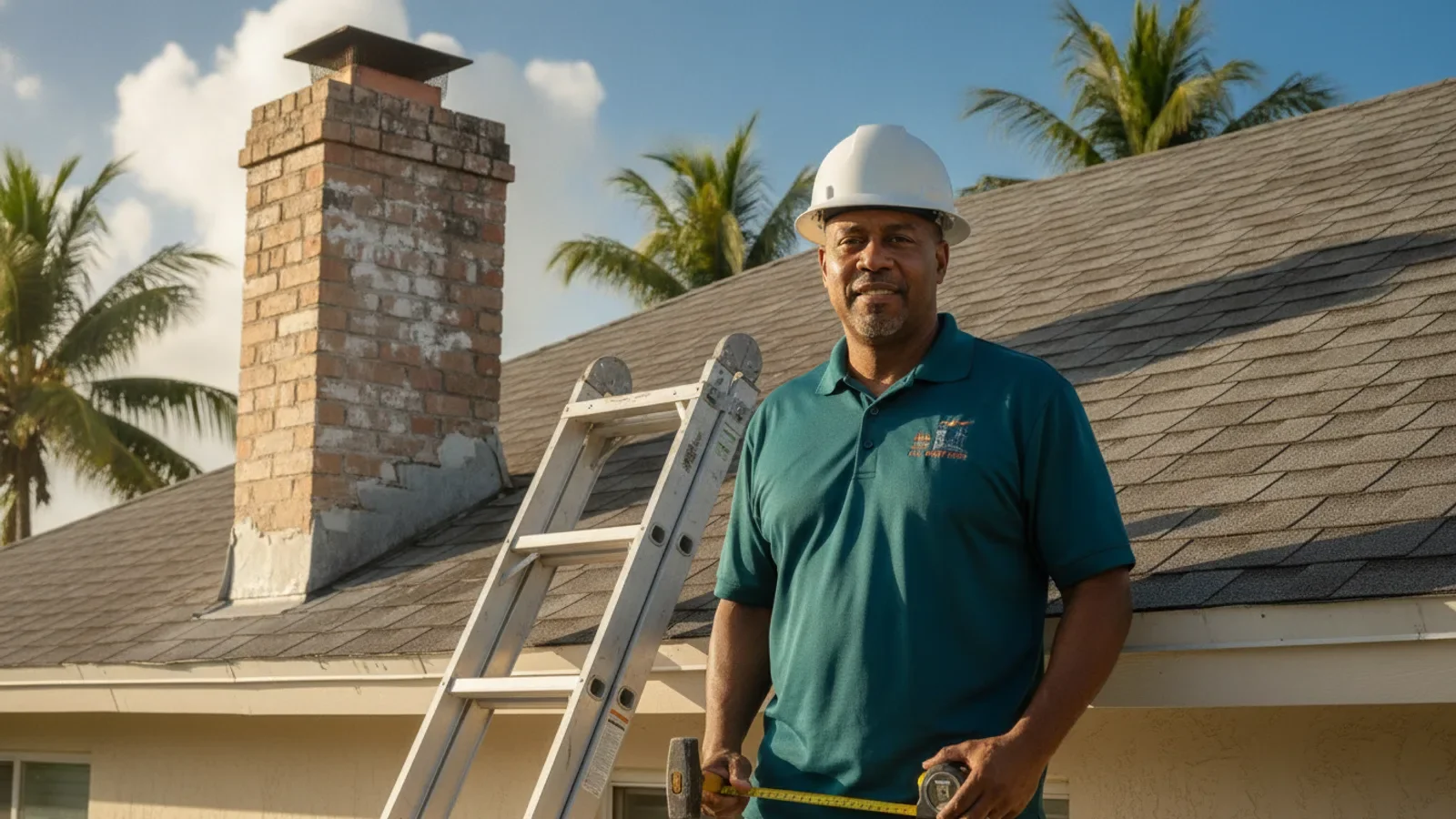
Most homeowners think chimney problems announce themselves with a dramatic crack or a visible collapse. In Orlando, the damage is usually quieter than that. Constant humidity, summer thunderstorms, and Florida's intense rain cycles work on brick and mortar slowly, turning minor surface wear into serious structural failure before most people notice anything is wrong. This guide walks you through exactly what to look for, how a proper assessment works, and when a chimney repair job is genuinely urgent.
Why Orlando Is Especially Hard on Chimneys
Moisture and Masonry: A Damaging Combination
Masonry is porous by nature. Brick and mortar absorb moisture from the surrounding environment, and in a humid Central Florida city like Orlando, that moisture is present almost every day from June through September. Water carries dissolved minerals into the pores of the masonry, and as it dries, those minerals crystallize and expand. Repeat this cycle enough times and the internal structure of the brick begins to fracture. The technical term is spalling, and it progresses faster in a wet climate than in a dry one because the wet-and-dry cycle repeats so frequently.
What you see on the surface, flaking brick faces and crumbling mortar joints, represents damage that has already worked its way inward. By the time spalling is visible from the ground, the affected section often has significantly reduced load-bearing capacity.
Humidity, Rain Cycles, and Occasional Cold Snaps
Central Florida rarely experiences the repeated freeze-thaw cycles that cause rapid chimney deterioration in northern states. But that does not mean chimneys here get an easy ride. Orlando gets heavy rain during the summer rainy season, and relative humidity stays high for most of the year. Water that enters through a cracked crown, deteriorated flashing, or open mortar joints saturates the masonry system. When temperatures do drop on a cold winter night, even modest thermal expansion stresses already-weakened joints.
The result is a slow but consistent breakdown. Homeowners who moved here from colder climates sometimes assume their chimney needs less attention in Central Florida. The opposite is often true.
How Florida's Storm Season Compounds the Problem
Hurricane season and the daily summer thunderstorms bring wind-driven rain at angles that standard chimney crowns and caps are not always designed to handle. Water forced horizontally into gaps that would normally drain away instead penetrates deep into the flue and the surrounding masonry. A chimney that looked fine in April can show accelerated deterioration by October if storm-season rain found an entry point. This is one reason a post-storm chimney inspection is worth scheduling even when there is no obvious visible damage.
Reading the Warning Signs: What Structural Damage Actually Looks Like
Exterior Masonry Clues
Stand back and look at the full chimney from ground level. Horizontal cracks running along mortar joints suggest differential settlement or water intrusion. Vertical cracks that run through both brick and mortar are more serious and can indicate structural movement. White staining, called efflorescence, is a sign that water is moving through the masonry and depositing minerals on the surface. It is not dangerous on its own, but it confirms that moisture is actively penetrating the structure.
Look at the chimney crown, the concrete or mortar cap that covers the top of the chimney structure around the flue liner. A crown with visible cracks or missing sections allows rain to run directly into the masonry system. This is one of the most common and most preventable sources of chimney deterioration in Orlando.
Interior and Firebox Indicators
Inside the firebox, look at the mortar joints between the firebrick. Crumbling or missing mortar here is a functional problem, not just cosmetic. The firebox lining is designed to contain heat and combustion gases. Gaps in the mortar allow those gases, including carbon monoxide, to migrate into wall cavities. Similarly, a damaged damper that no longer seals properly lets humid outside air flow directly into the flue system year-round, accelerating interior deterioration.
Water staining on the firebox walls or on the ceiling near the chimney breast often points to a flashing problem. Chimney flashing, the metal seal between the chimney and the roof surface, is a common failure point in Florida because thermal expansion causes repeated stress on the sealant. If you notice staining after heavy rain, the flashing deserves a close look before the next storm season.
Creosote Buildup: A Separate but Related Risk
Creosote is a byproduct of wood combustion that accumulates on the interior walls of the flue liner. Even in Central Florida, where fireplaces see less use than in colder regions, creosote can build up to dangerous levels if the fireplace is used at all. Heavy creosote deposits are flammable and can fuel a chimney fire that reaches temperatures high enough to crack the flue liner and ignite nearby structural framing.
Creosote removal is part of routine chimney cleaning, and it is one of the reasons that professional chimney cleaning matters even for fireplaces that only get occasional use. A light use pattern with green or unseasoned wood can actually produce more creosote per fire than regular use with properly seasoned hardwood, because incomplete combustion deposits more residue.
The Inspection Process: What a Proper Assessment Covers
Level 1, Level 2, and Level 3 Inspections
The chimney industry uses a three-level inspection framework developed under NFPA 211, the standard for chimneys, fireplaces, and venting systems. Understanding the difference helps you know what you are getting when you schedule a professional visit.
-
Level 1 covers the readily accessible portions of the chimney exterior, the firebox, and the visible flue. This is the baseline annual inspection for a chimney in continuous use with no known changes or problems.
-
Level 2 includes everything in a Level 1 plus a video scan of the flue interior and inspection of accessible attic, crawl space, and basement areas where the chimney passes through the structure. A Level 2 is required when a property changes hands, after any chimney fire, or following a significant weather event. For Orlando homes, a Level 2 is often the appropriate starting point for any chimney that has not been recently assessed.
-
Level 3 involves destructive investigation, removing portions of the structure to access areas that cannot be assessed otherwise. This level is reserved for situations where serious hidden damage is suspected based on Level 1 or 2 findings.
What the Video Scan Reveals
The flue liner, whether clay tile, cast-in-place, or a metal insert, is the component that most directly affects safety. Cracks in clay tile liners allow combustion gases to escape into the surrounding masonry. In a worst-case scenario, those gases reach living spaces. A video camera inspection of the flue gives the technician a clear view of liner condition that simply cannot be assessed from the firebox opening or the chimney top alone.
In Orlando, corrosion on metal components inside the flue is a specific concern, since damp air and rain that reach the flue combine with acidic combustion residue. Stainless steel liners hold up significantly better in humid environments than galvanized alternatives, and an inspection can confirm whether an existing metal liner shows signs of corrosion that would compromise its function.
Structural Integrity Assessment Beyond the Flue
A thorough chimney inspection also evaluates the chimney's attachment to the home and its overall plumb. A chimney that has begun to lean, even slightly, indicates foundation movement or deteriorated mortar at the base. This is a structural concern that goes beyond the chimney itself and should be addressed promptly. The inspector should also assess the flashing condition and the adequacy of the chimney cap, both of which are primary water-entry points in Florida's climate.
At All About Chimney Orlando, our inspections in Orlando account for the local conditions a general checklist might not capture. The combination of high humidity, heavy storm-season rain, and the oak and pine debris common in Orlando neighborhoods calls for a thorough look at the masonry system, the cap, and the flue.
Masonry Repair: Tuckpointing, Rebuilding, and When Each Applies
Tuckpointing for Deteriorated Mortar Joints
When the brick itself is sound but the mortar joints have eroded, tuckpointing is the appropriate repair. The process involves removing deteriorated mortar to a specific depth, typically around three-quarters of an inch, and packing in fresh mortar that matches the original in composition and color. Done correctly, tuckpointing restores the weatherproofing and structural integrity of the joint without disturbing the surrounding brick.
Mortar selection matters in Florida's climate. Standard Portland cement mortars can be too rigid for masonry systems that experience significant thermal movement. A lime-based mortar with appropriate flexibility is often a better long-term choice for older chimneys, because it accommodates movement without cracking. A mason who understands local conditions will specify the right mix rather than defaulting to whatever is on the shelf.
Brick Replacement and Partial Rebuilds
Spalled or structurally compromised brick cannot be repaired with mortar alone. Individual damaged bricks need to be removed and replaced with matching units. When damage is concentrated in a specific section, a partial rebuild of that section is more cost-effective and structurally sound than trying to patch around failed brick.
A full chimney rebuild from the roofline up is warranted when the upper portion has experienced widespread deterioration or when the crown and cap have failed repeatedly. This is more common in older Orlando homes where the original construction predates modern understanding of moisture-resistant masonry details.
Crown Repair and Waterproofing
The chimney crown is one of the most frequently overlooked components and one of the most important. A properly formed crown slopes away from the flue collar and overhangs the chimney edge to direct water away from the masonry face. Many older crowns were built flat or with insufficient overhang, which pools water directly against the brick.
Cracked crowns can often be repaired with a flexible, elastomeric crown sealant that bridges existing cracks and prevents water entry without requiring a full crown replacement. When the crown is structurally failed, a new poured crown is the correct solution. Following crown repair, a penetrating masonry waterproofing treatment applied to the exterior brick surface can significantly slow future moisture intrusion, particularly in a rainy, humid climate like Orlando's.
Factors That Affect What Chimney Repair Work Will Involve
Accessibility and Roof Configuration
The scope and complexity of any repair job depends partly on how accessible the chimney is. A chimney on a low-slope roof is significantly easier to work on than one on a steep hip roof with limited staging options. Height also matters: a two-story chimney requires more setup than a single-story structure. These factors affect how long the work takes and what equipment is needed, which is why a proper on-site assessment is necessary before any repair scope can be defined.
Extent of Damage and System Age
A chimney with isolated mortar joint erosion requires far less intervention than one with spalled brick, a cracked crown, failed flashing, and a deteriorated liner. Catching problems early, before they compound, is consistently more efficient than addressing accumulated damage. This is the practical argument for annual or biennial chimney inspections in Orlando, even for homeowners who rarely use their fireplace.
Older systems built before modern flue liner standards may also require liner upgrades as part of any significant repair project. A clay tile liner that was adequate when installed may no longer meet current NFPA 211 requirements if it has cracked or if the appliance vented through it has changed.
Comparing Repair Scope: A Quick Reference
| Condition Observed | Likely Repair Scope | Urgency Level |
|---|---|---|
| Eroded mortar joints, brick intact | Tuckpointing | Moderate, address within one season |
| Spalled or cracked brick faces | Brick replacement, possible partial rebuild | High, prevents further deterioration |
| Cracked chimney crown | Crown sealant or full crown replacement | High, primary water entry point |
| Failed or lifted flashing | Flashing replacement or reseal | High, active water intrusion risk |
| Cracked or missing flue liner sections | Liner repair or full relining | Critical, safety concern, stop use |
| Efflorescence on exterior | Identify and seal moisture source | Moderate, symptom of active moisture |
| Heavy creosote buildup | Professional cleaning, liner inspection | High, fire risk if fireplace is used |
What Homeowners in Orlando Often Get Wrong
Assuming Low Use Means Low Risk
A fireplace that gets used twice a year still vents combustion gases through the flue. Creosote still accumulates, even from a handful of fires. More importantly, a chimney that sits unused for most of the year is still exposed to Orlando's humid, stormy climate every single day. Moisture intrusion, animal nesting, and biological growth (moss and algae thrive on moist masonry in Central Florida) do not take a break because the fireplace is not lit.
Scheduling a chimney inspection every year or two, regardless of how often the fireplace is used, is the most reliable way to catch problems before they require major intervention.
Treating Cosmetic Repairs as Structural Solutions
Painting over efflorescence or applying a surface sealer over actively spalling brick does not address the underlying moisture problem. It can actually make things worse by trapping moisture inside the masonry rather than allowing it to escape. Proper masonry repair addresses the source of moisture entry first, then treats the affected material, then applies protective coatings as a final step, not a first one.
Delaying After a Storm
After a significant storm, it is natural to prioritize visible damage: roof shingles, gutters, windows. Chimneys often get deferred because the damage is less obvious from the ground. But storm-driven water that entered through a small crack in June can cause substantial hidden deterioration by the time hurricane season ends in November. A post-storm inspection is a relatively quick way to confirm whether the chimney came through intact or whether it needs attention before the next weather event.
Frequently Asked Questions
How often should a chimney in Orlando be inspected?
NFPA 211 recommends annual inspections for chimneys in use. In Orlando's humid climate, that schedule makes sense even for low-use fireplaces, because moisture and storm exposure cause year-round deterioration regardless of how often the fireplace is lit. After any significant storm, a post-event inspection is also worth scheduling.
What is the difference between chimney cleaning and a chimney inspection?
Cleaning removes creosote, soot, and debris from the flue and firebox. An inspection evaluates the structural and functional condition of the entire chimney system, including components that cleaning does not address, such as the liner, crown, flashing, and masonry. Both are distinct services, and one does not substitute for the other.
Can I use my fireplace if I notice cracks in the firebox mortar?
It is best to have the firebox assessed before using it again. Cracked firebox mortar can allow combustion gases, including carbon monoxide, to migrate into wall cavities. The severity of the risk depends on the extent of the cracking, which is why a professional evaluation is the appropriate first step rather than a visual judgment from the firebox opening.
What causes efflorescence on a chimney, and is it serious?
Efflorescence is the white mineral deposit left behind when water moves through masonry and evaporates on the surface. It confirms that water is actively penetrating the masonry system. On its own it is not structurally dangerous, but it is a reliable indicator that moisture intrusion is occurring, and the source should be identified and addressed to prevent more serious damage over time.
Does chimney repair cost vary significantly based on the type of damage?
Yes, considerably. The scope of work, the materials required, the accessibility of the chimney, and the extent of damage all influence what a repair project involves. Minor tuckpointing on an accessible chimney is a very different undertaking from a partial rebuild combined with flue relining. An on-site assessment is the only reliable way to understand what a specific chimney actually needs.
Is creosote removal something I can do myself?
Chemical creosote-reducing logs can help with light stage-one deposits, but they do not substitute for professional cleaning. Stage-two and stage-three creosote, which is harder, tar-like, or glazed, requires professional equipment and technique to remove safely. Given the fire risk associated with heavy creosote, this is work best left to a trained technician with the right tools.