

Chimney Sweep Guide for Orlando Homeowners
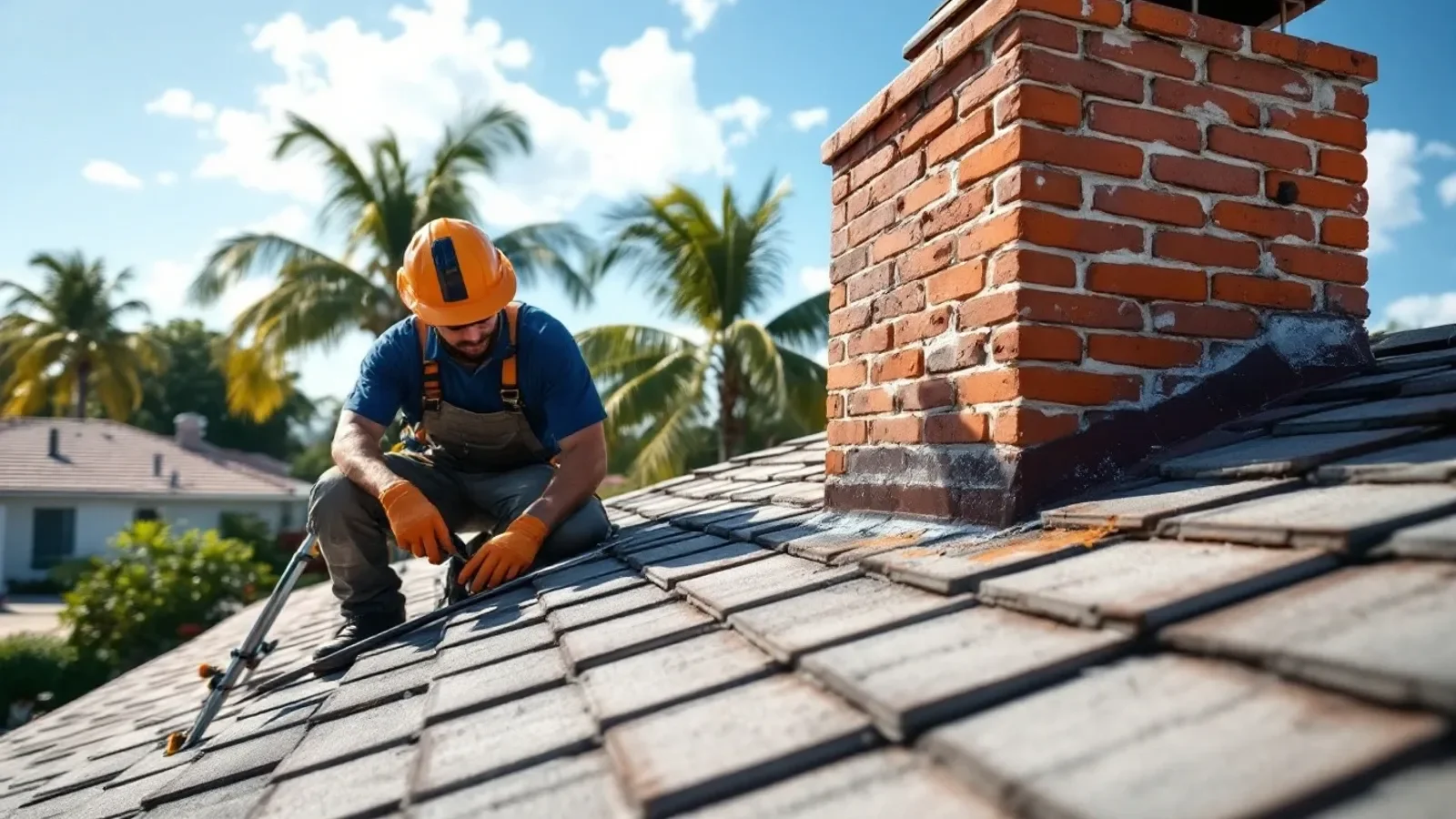
Owning a home with a fireplace in Orlando comes with a quirk many homeowners don't think twice about: Central Florida's mild, humid climate changes the rules for chimney care. You may only light a fire a handful of times each year, but that doesn't mean your chimney is off the hook. Creosote, moisture damage, and wildlife intrusions don't take the season off. This guide gives you a clear, practical framework for scheduling your chimney services so nothing gets missed.
Why Orlando Chimneys Need Attention Even Without Heavy Use
Humidity Is the Silent Problem
Central Florida's humidity levels are consistently high, even in the cooler months when you're most likely to use your fireplace. Moisture that works its way into the flue liner, mortar joints, or firebox can cause spalling brick, deteriorating mortar, and rust on dampers and fireboxes. A chimney that sits idle for most of the year is not a chimney that's resting; it's a chimney that's slowly absorbing moisture without the benefit of heat to dry it out.
When cracks form in the masonry, water follows. Left unaddressed, what starts as a hairline fracture in a mortar joint can allow enough water intrusion to damage the interior structure. Catching this early through a routine chimney inspection is far less disruptive than addressing it after water has worked through multiple layers.
Pests and Debris Fill the Gap
Chimneys that go unused for months become attractive nesting spots for birds, squirrels, raccoons, and other wildlife common to the Orlando area. Nesting material is highly flammable. Even a small amount of dried leaves, pine needles, twigs, and animal debris at the base of the flue creates a fire hazard the next time you strike a match. A chimney cap in good condition helps, but caps can crack, shift, or rust after years of summer storms and humidity. A technician checking the cap condition is one of the simplest, highest-value steps in any annual service visit.
Creosote Still Accumulates, Even Occasionally
Creosote is the tar-like byproduct of incomplete combustion. It coats the interior walls of the flue every time wood burns. In climates where fireplaces run daily through a long winter, creosote accumulates quickly and the need for chimney cleaning is obvious. In Central Florida, where a fireplace might see ten or fifteen fires in a season, accumulation is slower but still real. More importantly, occasional use often means shorter, cooler fires, which actually produce more creosote per burn than a hot, well-established fire. The quantity may be lower, but the chemistry is the same.
How Often Should You Actually Schedule Service?
The Annual Inspection Standard
The National Fire Protection Association (NFPA 211) recommends that chimneys, fireplaces, and vents be inspected at least once a year. That standard applies regardless of how often you use the fireplace. For Orlando homeowners, the practical window for scheduling is late summer through early fall, before the brief Florida cool season arrives. Getting the inspection done before you need the fireplace means any issues found can be addressed without rushing.
An inspection evaluates the condition of the flue liner, damper, firebox, smoke chamber, exterior masonry, and cap. A Level 1 inspection covers accessible areas and is appropriate for a chimney that has been in regular service without known issues. A Level 2 inspection, which may involve camera equipment to view the flue interior, is recommended after any significant event, such as a chimney fire, a change in fuel type, or the purchase of a home. If you've recently bought a property in Orlando and haven't had the chimney looked at, a Level 2 inspection is the right starting point.
Cleaning Frequency: Matching Service to Use
Chimney cleaning frequency depends on how much the fireplace is used, what fuel is burned, and the condition found at the last inspection. A general framework:
| Annual Fires | Recommended Cleaning Frequency | Notes |
|---|---|---|
| Fewer than 10 | Every 1 to 2 years | Inspection annually; cleaning when buildup is confirmed |
| 10 to 25 | Annually | Typical Orlando use pattern |
| 25 to 50 | Annually, possibly twice | Inspect mid-season if heavy use continues |
| 50+ | Twice per year | Consider a mid-season sweep |
These are guidelines, not rigid rules. The actual condition of the flue is the deciding factor. A professional chimney cleaning will include an assessment of buildup levels, so you're never guessing whether the work was necessary.
After a Storm or Unusual Event
Orlando sits in a hurricane-prone state, and tropical storms and hurricanes that cross Central Florida bring strong winds and heavy rain well inland. After any significant storm, it's worth having the chimney checked even if your last inspection was recent. High winds can dislodge caps, shift flashing, crack crowns, and drive debris deep into the flue. Lightning-heavy summer storms can also stress caps and flue components. Scheduling a post-storm inspection isn't paranoia; it's the kind of maintenance that prevents a small storm-related issue from becoming a costly structural repair.
What a Professional Chimney Sweep Actually Does
The Process, Step by Step
A professional sweep is more than running a brush through the flue. A thorough service at All About Chimney Orlando typically involves several distinct steps. The technician starts with a visual assessment of the exterior: the crown, cap, flashing, and visible masonry. Inside, they check the damper operation, inspect the smoke shelf and smoke chamber, and examine the firebox for cracks or deterioration.
The cleaning itself uses rotary brushes sized to the flue dimensions, combined with a high-powered vacuum system that contains the soot and debris. This prevents the fine particulate matter from spreading through the home. After brushing, the technician re-inspects to confirm the flue walls are clear and to note any areas of concern for repair or monitoring.
What Gets Removed
The primary targets are creosote in its various stages and loose soot. First-degree creosote is a dry, flaky deposit that brushes away easily. Second-degree creosote is a harder, tar-like layer that requires more aggressive brushing. Third-degree creosote is a glazed, hardened coating that standard brushing cannot remove and requires specialized chemical treatments or mechanical removal. Most residential chimneys in Orlando, given typical use patterns, will not develop third-degree buildup, but catching the earlier stages before they progress is part of why annual service matters.
Beyond creosote, a sweep removes loose mortar fragments, animal debris, and any blockages at the flue opening or smoke shelf.
What You'll Receive After the Service
A reputable chimney professional will give you a clear summary of what was found and what, if anything, needs attention. This might be a verbal report for a straightforward cleaning, or a written report with photos for an inspection that identified specific issues. Keep this documentation. It's useful when selling a home, filing an insurance claim, or simply tracking the service history of the chimney over time.
Recognizing When Chimney Repair Can't Wait
Visible Warning Signs Inside the Home
Some chimney problems announce themselves clearly. Smoke entering the room when the fireplace is in use points to a draft problem, which can stem from a blocked flue, a damaged damper, or a structural issue with the chimney's height or design. White staining (efflorescence) on the firebox walls or exterior masonry indicates water is moving through the masonry and evaporating, leaving mineral deposits behind. A persistent musty or smoky odor even when the fireplace hasn't been used recently suggests moisture and creosote residue are combining inside the flue.
Exterior Signs Worth Investigating
Cracked or crumbling mortar joints between bricks, spalling (flaking) brick faces, a visibly cracked chimney crown, or a cap that has shifted or rusted are all signs that chimney repair should be on the near-term schedule. Flashing, the metal seal between the chimney and the roof surface, is a particularly common failure point in Florida's climate. Lifted, cracked, or corroded flashing allows water to enter the roof structure, not just the chimney itself, making it a problem that affects more than just the fireplace.
Issues Found During Inspection
Not every repair need is visible to the homeowner. Flue liner cracks, deteriorated smoke chambers, and damaged damper assemblies are typically only discovered during a professional inspection. This is one of the strongest arguments for annual inspections even when the chimney appears fine from the outside. A small liner crack that allows heat or combustion gases to contact surrounding building materials is a safety concern that has no outward symptoms until the situation is serious.
Choosing the Right Service Sequence
Inspection Before or After Cleaning?
This is a common question. The practical answer is that a basic inspection typically happens alongside the cleaning, not as a completely separate visit. The technician assesses conditions before cleaning, cleans, and then re-evaluates. If you're scheduling service for the first time on a chimney with an unknown history, or if you're a new homeowner, requesting a Level 2 inspection as the primary service before any cleaning is a reasonable approach. It establishes a baseline and may identify issues that affect how the cleaning should be approached.
Bundling Services Efficiently
For most Orlando homeowners on a routine maintenance schedule, the annual visit covers inspection and cleaning in a single appointment. If a repair need is identified during that visit, the scope expands. Scheduling the inspection and cleaning together before the cool season means you're not making two separate appointments, and any repair work identified can be scheduled while there's still time before you want to use the fireplace.
New Homeowners: Start Fresh
If you've recently purchased a home in Orlando that has a fireplace, don't assume the previous owners maintained the chimney on schedule. Request a Level 2 inspection before using the fireplace at all. Camera inspection of the flue can reveal liner damage, blockages, or animal nesting that isn't visible from the firebox opening or the rooftop. This single step can prevent a significant problem and gives you a documented starting point for your own maintenance records.
Central Florida Considerations for Chimney Longevity
Humidity and Metal Components
Orlando's heat, humidity, and daily summer rain mean metal components in and around the chimney face steady corrosion. Damper assemblies, chimney caps, and flashing are all vulnerable. Stainless steel caps and dampers hold up better in humid climates than plain galvanized steel. When repairs or replacements are made, material selection matters for longevity. A technician familiar with Central Florida conditions will account for this when recommending components.
Roof Integration and Flashing
Florida's intense rain events put a premium on watertight flashing. The joint between the chimney and the roof is one of the most common entry points for water in any home, and in a climate with frequent heavy rain, a compromised flashing seal can allow significant water intrusion in a single storm. During any chimney inspection, the flashing condition should be evaluated as part of the exterior assessment. All About Chimney Orlando, serving Orlando and the surrounding area, addresses flashing as part of its chimney service scope because the roof-chimney intersection is too important to treat as a separate concern.
Fireplace Efficiency in a Warm Climate
A clean, well-maintained chimney draws more efficiently than one with buildup or structural issues. In a climate where you're only running the fireplace occasionally, you want those fires to burn cleanly and efficiently. A properly functioning damper, a clear flue, and a well-sealed firebox all contribute to a fire that produces less smoke, less creosote, and more heat. Regular maintenance keeps those conditions in place.
Frequently Asked Questions
How long does a chimney sweep and inspection take?
A combined cleaning and Level 1 inspection often takes one to two hours for a standard residential chimney. A Level 2 inspection that includes camera equipment may take longer depending on what's found and the complexity of the system.
Can I use my fireplace right after a chimney cleaning?
Yes. Once the cleaning is complete and the technician has confirmed the flue is clear and the system is in serviceable condition, the fireplace is ready to use. If repairs were identified during the visit, those should be addressed before using the fireplace.
What happens if I skip the annual inspection for a few years?
Gaps in inspection history mean that developing issues go undetected. Creosote can progress from first-degree to second-degree buildup, mortar deterioration can advance to structural damage, and small liner cracks can widen. The cumulative effect is typically a more involved and more costly repair when service does eventually happen. Annual inspections are specifically designed to catch issues at the stage when they're easiest to address.
Is a chimney inspection required when selling a home in Orlando?
Requirements vary by transaction and local regulations. Buyers frequently request chimney inspections as part of the general home inspection process, and sellers who have current inspection documentation are in a stronger position. Consult your real estate agent and a qualified professional for guidance specific to your situation.
What's the difference between a chimney sweep and chimney cleaning?
The terms are often used interchangeably. A chimney sweep is the professional who performs the work, and chimney cleaning refers to the actual removal of creosote, soot, and debris from the flue and firebox. In practice, when you schedule a chimney sweep, you're scheduling a cleaning service performed by a technician, typically combined with an inspection.
Does All About Chimney Orlando serve areas outside Orlando?
All About Chimney Orlando is based in Orlando and serves the surrounding Central Florida area, including communities such as Winter Park, Apopka, and Altamonte Springs. Contact the team directly to confirm service availability for your specific location.