

Chimney Inspection Guide for Orlando Homes
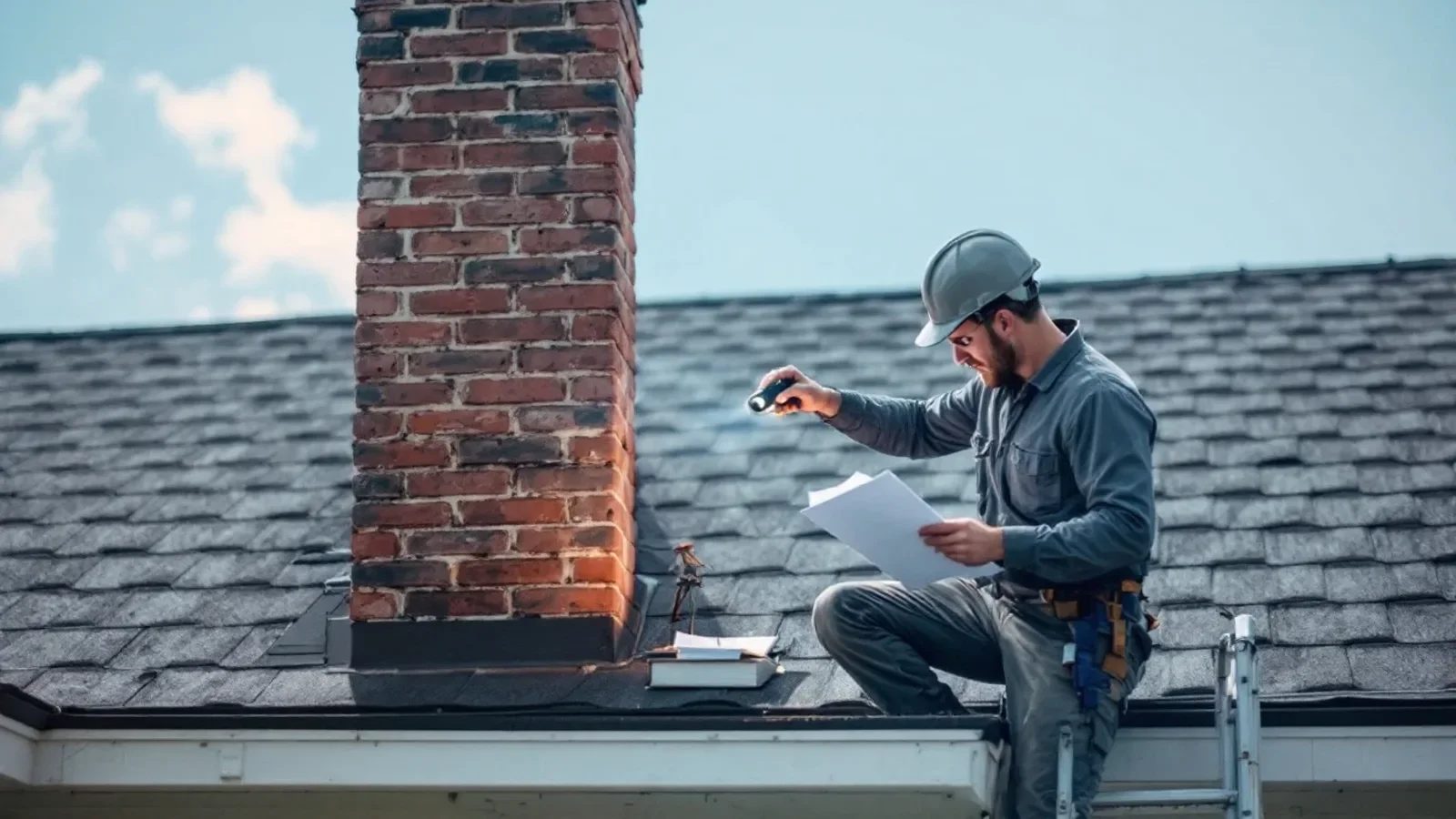
Most homeowners think about their chimney twice a year: when they light the first fire of the season and when something goes wrong. But in Orlando, where humidity, summer thunderstorms, and tropical storm activity put constant pressure on masonry and flashing, waiting for visible damage is a costly strategy. Knowing which type of chimney inspection applies to your situation, and why the distinction matters, can save you from a minor maintenance call turning into a major repair project.
Why Chimney Inspections Are Classified Into Three Levels
The National Fire Protection Association (NFPA 211) established a three-level inspection framework that chimney professionals follow across the country. Each level builds on the one before it, expanding the scope of what gets examined. Choosing the right level is not about spending more or less; it is about matching the inspection to the actual condition and history of the chimney.
Think of it like a medical checkup. A routine annual physical is not the same as a specialist consultation after a car accident. Both are checkups, but the circumstances determine the depth of examination needed.
What the NFPA 211 Standard Actually Requires
NFPA 211 is the industry benchmark for chimneys, fireplaces, vents, and solid fuel-burning appliances. It defines minimum inspection criteria, not maximum ones. A qualified chimney sweep or inspector may go beyond these minimums based on what they observe, but the three levels set a consistent baseline that homeowners can reference when evaluating the service they are receiving.
How Florida's Climate Affects Inspection Priorities
Orlando presents a specific set of conditions that influence what inspectors look for. The combination of high humidity, a long rainy season, and frequent thunderstorms accelerates mortar deterioration, promotes efflorescence on brick, and creates conditions where flashing fails faster than it would in a drier climate. Inspectors familiar with Central Florida properties pay close attention to these vulnerabilities even during a routine Level 1 visit.
Level 1 Inspections: The Annual Baseline
A Level 1 inspection is the standard annual checkup for a chimney that has been used without any changes, has not experienced any unusual events, and continues to serve the same appliance it always has. It covers all readily accessible portions of the chimney exterior and interior, as well as the accessible areas of the appliance and the chimney connection.
What Gets Examined at Level 1
The inspector visually checks the firebox, the smoke chamber, the damper, the flue liner (as far as visible from the firebox opening and the top of the chimney), the chimney cap, the crown, and the exterior masonry. They are looking for obvious signs of deterioration: spalling brick, cracked mortar joints, a damaged or missing cap, and creosote accumulation in the flue.
This level does not involve camera equipment or removing any components. It relies on trained eyes and a flashlight. That is sufficient when there is no reason to suspect hidden damage.
When Level 1 Is the Right Choice
Schedule a Level 1 inspection annually, ideally before the start of fireplace season. It pairs naturally with a chimney cleaning, since the inspector and sweep can assess the flue condition while removing creosote and soot. If your chimney has no recent history of problems, no changes to the appliance or fuel type, and no storm damage, a Level 1 visit covers everything a responsible homeowner needs. You can schedule a chimney cleaning and inspection at the same appointment to keep things efficient.
Level 2 Inspections: The Right Call After Any Change or Event
Here is the part that surprises many homeowners: a Level 2 inspection is required any time you sell or buy a property with a chimney, any time the appliance or fuel type changes, and any time the chimney has experienced a significant event such as a chimney fire or a lightning strike. In Central Florida, add major tropical storms and hurricanes that cross the region to that list.
Level 2 includes everything in Level 1 plus an examination of accessible areas in attics, crawlspaces, and basements where the chimney passes through. It also requires a video scan of the flue interior.
The Role of Video Scanning
The video camera is what makes Level 2 genuinely different. A flexible camera system travels the length of the flue, capturing footage of the liner in detail that no flashlight inspection can match. Inspectors can identify cracked or deteriorating flue tiles, gaps in liner sections, and obstructions (bird nests, debris, collapsed material) that would be invisible otherwise. In Orlando homes, this often reveals moisture-related damage to the liner that has been developing quietly for years.
Real Estate Transactions and Level 2
If you are buying a home in Orlando with a fireplace, insist on a Level 2 inspection before closing. A Level 1 visual check is not sufficient to confirm the structural integrity of the flue, and a compromised liner is a safety issue, not just a cosmetic one. Sellers benefit from having this done proactively too, since documented inspection results reduce negotiation friction and demonstrate that the chimney has been properly maintained.
Level 3 Inspections: When the Evidence Points to Hidden Damage
A Level 3 inspection is not routine. It is ordered when Levels 1 and 2 have identified, or strongly suggest, a hazard that cannot be fully assessed without removing components of the chimney or surrounding structure. This might mean removing the chimney crown, taking out sections of the firebox, or opening up wall sections where the flue passes through.
What Triggers a Level 3
The most common triggers are a confirmed chimney fire (even a small one), a video scan that shows a collapsed or severely cracked liner, or evidence of carbon monoxide migration into living spaces. After a major hurricane or a direct lightning strike, a Level 3 may also be warranted if the Level 2 scan raises concerns about structural integrity that cannot be resolved without physical access.
Level 3 inspections involve demolition work, so they are inherently more involved and time-consuming than Levels 1 or 2. The goal is always to find and define the problem precisely so that the correct chimney repair can be specified, rather than guessing at what is happening inside a wall cavity.
What Comes After a Level 3
Once the inspection identifies the damage, the repair scope becomes clear. That might mean relining the flue with a new stainless steel liner, rebuilding sections of the firebox, or repointing deteriorated mortar joints. The inspection itself is not the repair, but it makes any subsequent work far more accurate and cost-effective than attempting repairs without knowing the full picture.
Comparing the Three Levels at a Glance
| Inspection Level | Scope | Video Scan Required? | Best Used When |
|---|---|---|---|
| Level 1 | Accessible exterior and interior surfaces, firebox, damper, cap, crown, visible flue | No | Annual maintenance, no changes or events |
| Level 2 | Everything in Level 1, plus attic/crawlspace access, full video flue scan | Yes | Property sale/purchase, appliance change, chimney fire, storm damage |
| Level 3 | Everything in Level 2, plus removal of components to access concealed areas | Yes | Suspected hidden structural damage, confirmed hazard from Level 2 |
Chimney Inspection Cost: What Actually Drives the Price
If you want it handled correctly the first time, consider professional chimney repair in Orlando.
Homeowners often search for a flat number when researching chimney inspection cost, but the actual figure depends on several factors that vary by property. Understanding those factors helps you evaluate quotes accurately.
Factors That Affect What You Pay
-
Inspection level: Level 2 and Level 3 require more equipment, time, and expertise than Level 1, so they carry higher fees.
-
Chimney height and accessibility: Taller chimneys or those with difficult roof access require more setup time.
-
Number of flues: Some homes have multiple flues serving different appliances. Each flue requires its own inspection.
-
Combination services: Booking a chimney sweep at the same time as an inspection is often more economical than scheduling them separately.
-
Findings that require follow-up: The inspection fee is separate from any repair work identified. A thorough inspection that finds a problem early is almost always less expensive in the long run than discovering the same problem after it has worsened.
Why the Cheapest Quote Is Not Always the Right One
A very low-priced inspection that skips video scanning for a Level 2 situation, or relies on a cursory visual check when the circumstances call for more, does not actually protect you. The value of an inspection comes from what it finds and documents, not just from the fact that someone showed up and looked at the chimney. Verify that the inspector follows NFPA 211 guidelines and can provide a written report with photos.
How Often Orlando Homeowners Should Schedule Inspections
The standard recommendation is at least once per year for any chimney that is in active use. For Orlando properties, there are a few additional timing considerations worth building into your calendar.
Post-Hurricane Season Checks
Florida's hurricane season runs from June through November. Even storms that do not cause obvious visible damage can shift chimney crowns, loosen flashing, and introduce debris into the flue. Scheduling a chimney inspection after any named storm that affected your area is a reasonable precaution, particularly if you plan to use the fireplace during the cooler winter months.
Before the First Fire of the Season
Many Orlando homeowners use their fireplaces only during the brief cool stretches from December through February. Scheduling an inspection and cleaning in the fall, before that window opens, confirms that the system is clear and safe before it sees any use. Creosote and debris that accumulated over the off-season can present a fire risk if the flue is not checked first.
When You Notice Warning Signs
Do not wait for the annual appointment if you notice any of the following between scheduled visits: white staining (efflorescence) on the chimney exterior, a strong odor coming from the fireplace when it is not in use, visible cracks in the firebox or chimney crown, or any smoke entering the room during use. These are signals that something has changed and warrants a prompt professional evaluation. All About Chimney Orlando serves Orlando and the surrounding Central Florida area, including Winter Park, Apopka, and Winter Garden.
What to Expect on Inspection Day
Knowing what the process looks like makes the appointment go more smoothly and helps you ask better questions.
Before the Inspector Arrives
Clear the area around the fireplace opening so the inspector has unobstructed access. If you have a wood-burning fireplace, make sure no fire has been lit in the 24 hours prior to the visit, as the firebox needs to be cool. Move any furniture or rugs that are close to the hearth to protect them from soot.
During the Inspection
A Level 1 inspection often takes 30 to 45 minutes. A Level 2 with a video scan runs longer, often an hour or more depending on chimney height and access. The inspector will work from both the fireplace opening and the rooftop. For a Level 2, you will usually be able to watch the video scan footage in real time or review it immediately after, which gives you a direct look at the flue condition.
The Written Report
Ask for a written report that documents findings, includes photos or video screenshots, and specifies any recommended actions. A good report distinguishes between safety-critical issues (which need prompt attention) and maintenance items (which can be scheduled at your convenience). That way Orlando homeowners have a clear, documented record of their chimney's condition.
Frequently Asked Questions
Is a chimney inspection required by law in Orlando?
There is no universal local ordinance mandating annual inspections for residential chimneys, but requirements can vary by jurisdiction and circumstances such as property sales or insurance claims. NFPA 211 sets the professional standard, and many homeowner insurance policies expect documented maintenance. Check with your insurer and consult a qualified professional for guidance specific to your situation.
Can I combine a chimney sweep with an inspection?
Yes, and it is usually the most practical approach. The sweep removes creosote and debris, and the inspector evaluates the cleaned surfaces more accurately than they could through buildup. Both services can usually be scheduled together in a single visit.
What is the difference between a chimney sweep and a chimney inspection?
A chimney sweep is a cleaning service that removes combustion byproducts, including creosote, soot, and debris, from the flue and firebox. An inspection is an evaluation of the chimney's structural and functional condition. They are complementary services, not interchangeable ones. A sweep without an inspection tells you the flue is clean but not whether the liner is intact.
How do I know if I need a Level 2 instead of a Level 1?
The clearest triggers are a property transaction, a change in the appliance or fuel type, or any significant event (chimney fire, storm, lightning strike). If none of those apply and the chimney has been in normal use without issues, a Level 1 is appropriate. When in doubt, describe your situation to the inspector before booking and ask which level they recommend.
What happens if the inspection finds damage?
The inspector documents the finding and explains the recommended repair. Minor issues like a cracked crown or spalled brick can often be addressed with targeted masonry work. More significant problems, such as a compromised liner, may require relining the flue. The inspection report gives you a clear scope so you can make an informed decision about next steps.
Does a new construction home need a chimney inspection?
Yes. A Level 2 inspection is recommended for any newly installed chimney system to confirm that construction meets applicable standards and that the installation was completed correctly before the first use. Building inspections and chimney inspections serve different purposes and are not substitutes for each other.