

Service
Chimney Repair in Orlando, FL
Summer downpours, wind driven storm rain and months of humidity work on a chimney in Orlando. We look for where water is getting in, explain what we found, and repair the crown, cap, flashing or masonry that failed.
- Crowns, caps and flashing
- Masonry and mortar joints
- Storm damage repair
Chimney Repair
Signs your chimney needs repair
A chimney rarely fails all at once. In Central Florida it wears from the top down: sun and heavy rain crack the crown, water gets into the brick or around the flue, and the long humid season keeps everything damp. By the time a stain shows up on the ceiling, water has usually been getting in for a while.
Call us if you notice any of these. Most of them are cheaper to fix early than late, and none of them improves by waiting for the next storm.
- Water stains on the ceiling or wall next to the chimney, especially after a heavy afternoon storm
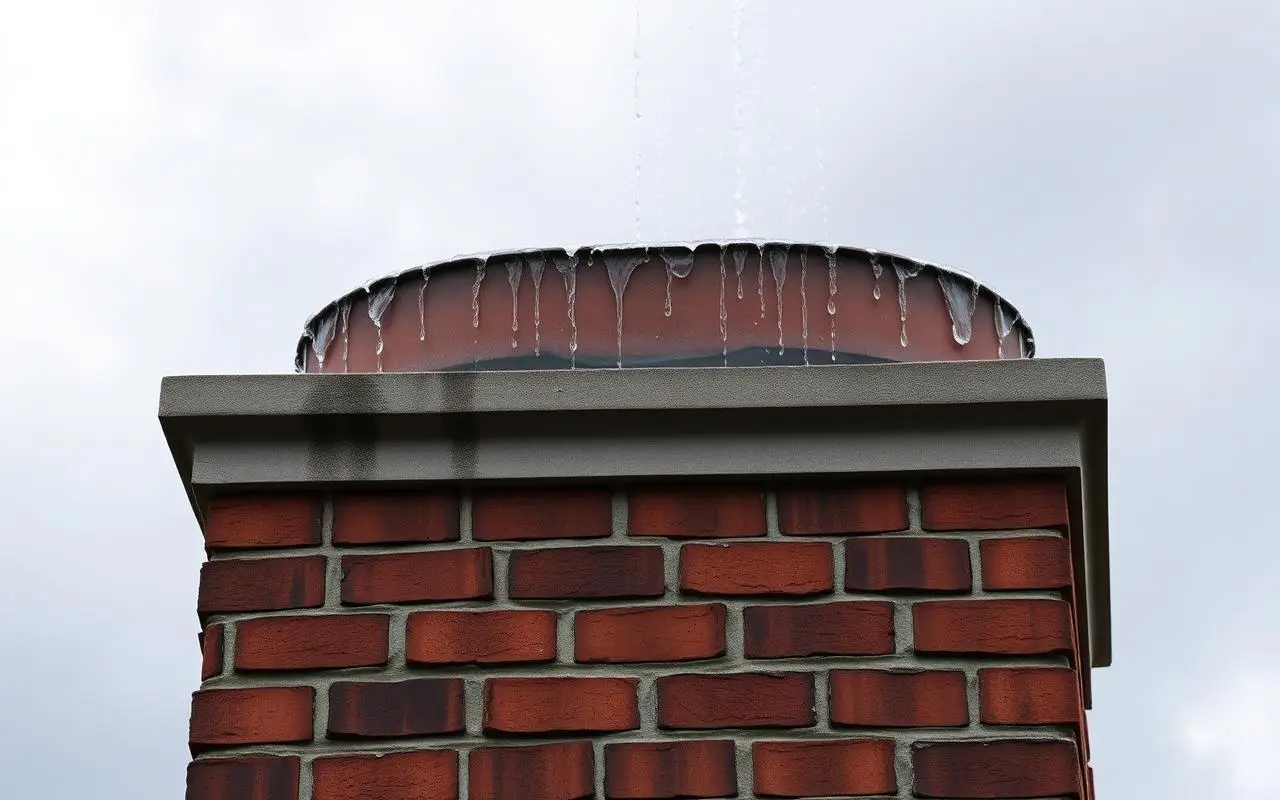
- Cracks in the concrete crown on top of the chimney, or pieces of it on the roof
- Crumbling or missing mortar between the bricks
- Bricks that flake, pop or break apart on the face (spalling)
- White, chalky deposits on the brick (efflorescence), a sign that water is moving through it
- A rusted, bent or missing chimney cap
- Flashing that is lifting, cracked or sealed over with old caulk
- A chimney that leans or has a gap where it meets the house
Why it matters
What you get with Chimney Repair
We find the real leak
A stain inside can start at the crown, the cap, the flashing or the brick itself. We check each one before we recommend anything, so you pay to fix the cause and not just the symptom.
Built for wet weather
Crowns need an overhang and drip edge that throws water clear of the brick, and flashing needs to be set and sealed to shed the wind driven rain Central Florida gets every summer.
Brick or prefab
Older brick chimneys and newer factory-built chimneys with metal flues in framed chases wear in different places. We look at which kind you have before we recommend a repair.
Plain explanations
We tell you what we found, where the water is getting in and what can wait, before work starts, so there are no surprises on the day.
What a chimney repair can include
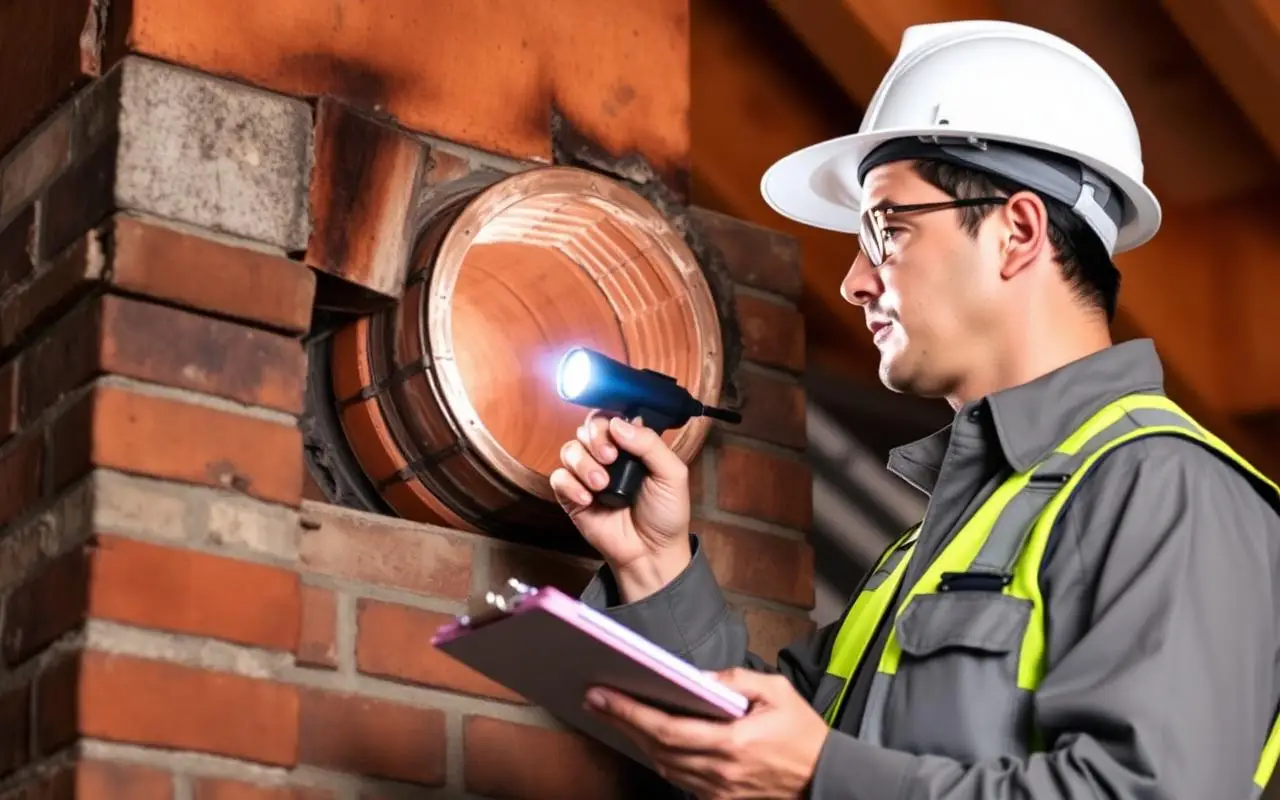
Every repair starts with a full look at the stack, the roof around it and the inside of the flue. From there the work is matched to what failed. These are the repairs most often needed on homes in Orlando and the cities around it.
- Crown repair or rebuild, with a proper overhang and drip edge
- New stainless steel chimney caps and spark arrestors, sized to the flue
- Flashing repair or replacement where the chimney meets the roof
- Chase cover repair where a metal flue sits in a framed chase
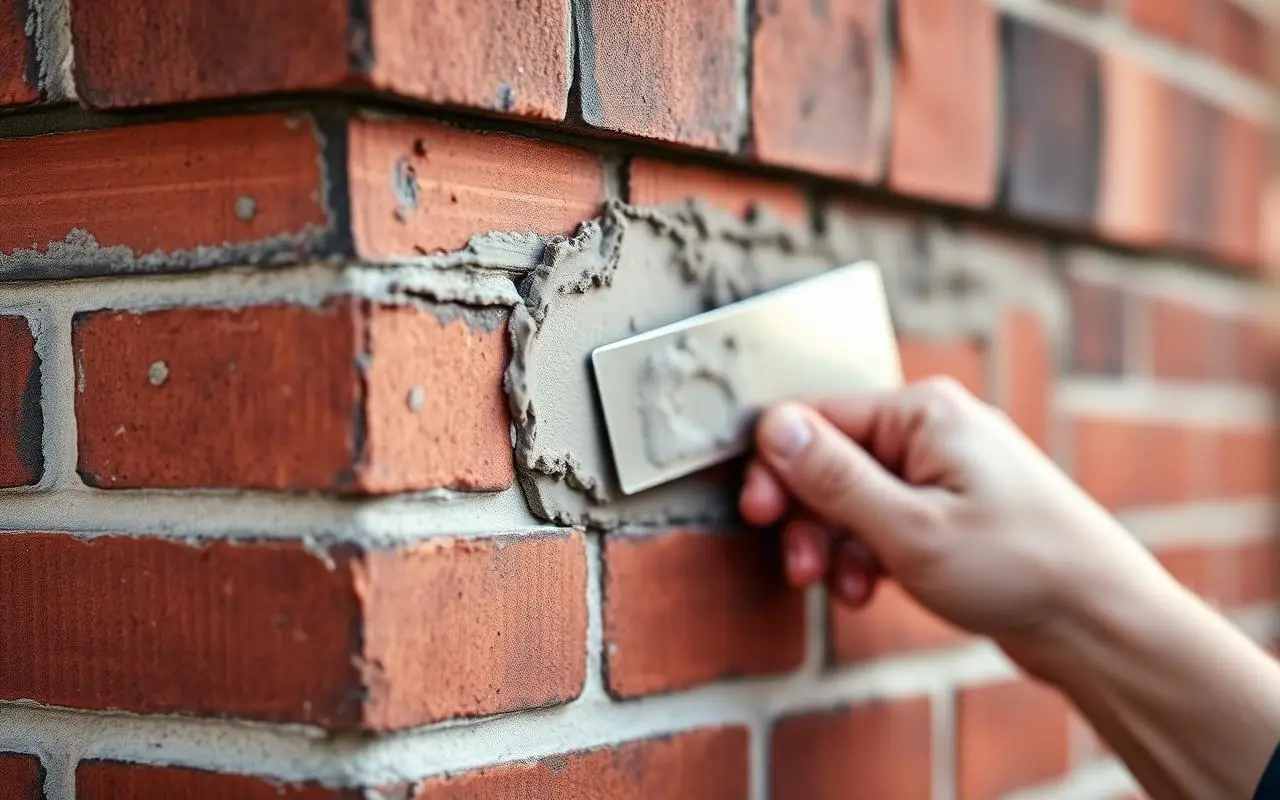
- Tuckpointing: grinding out failed mortar joints and repointing them
- Replacing spalled or broken bricks to match the existing masonry
- Water repellent treatment for brick that still breathes
- Damper repair or a top sealing damper for fireplaces that sit unused
Why chimneys wear faster in Central Florida
Orlando gets frequent summer thunderstorms, a rainy season that runs from about June to September and the occasional tropical storm, and the wind pushes that rain sideways into joints and under flashing. Add months of high humidity, plus oak leaves and pine needles that pile up around the cap and the crown, and a chimney that is rarely lit has very little chance to dry out.
Many local fireplaces are used only a few nights a year, so problems go unnoticed until a leak shows up indoors. In newer subdivisions the chimney is often a metal flue inside a wood framed chase, where a failed chase cover lets water reach the framing. That is why we look at the whole system on every repair visit, not only the spot you called about.
Repair or replace?
Most chimneys need a repair, not a rebuild. A cracked crown, failed flashing and a few rows of loose mortar can all be fixed while the rest of the masonry stays in place. If a section of the chimney is unstable or the damage runs deep into the stack, we will tell you so plainly and explain what the larger job involves before you decide.
Questions
Chimney Repair questions
Why does my chimney leak only when it rains hard?
Light rain runs off, but a heavy, wind driven storm pushes water into the weakest point: usually a cracked crown, an open joint in the flashing or a cap that no longer covers the flue. We check each of those areas so the repair goes where the water really enters.
Can you repair a chimney crown without rebuilding the chimney?
In most cases, yes. Small cracks can be sealed with a flexible crown coating, and a crown that is broken or too flat can be removed and recast on top of the existing chimney. The brick below stays as it is unless it is damaged too.
Do I need a new chimney cap?
If your cap is rusted through, bent by a storm or missing, yes. A cap keeps rain, leaves and animals out of the flue, and in Florida's sun and humidity we recommend stainless steel. We measure the flue so the new cap fits it properly.
Is chimney repair something my roofer should handle?
Flashing sits where the roof and the chimney meet, so it is often missed by both trades. We look at the chimney, the flashing and the roofing around it together, so the whole joint is judged at once.
How do I know if mortar joints need tuckpointing?
Run a key along a joint. If mortar crumbles out easily, if you can see gaps between bricks or if the joints are recessed deeper than the brick face, the mortar has worn out and needs to be repointed before water gets behind it.
More services
Other services we provide
Ready to stop that chimney leak?
Call us or send the form. We set a visit time that works for you, any day of the week.
Get in touch
Request an estimate
Fill out the form and our team will get back to you.