

Service
Chimney Sweep in Orlando, FL
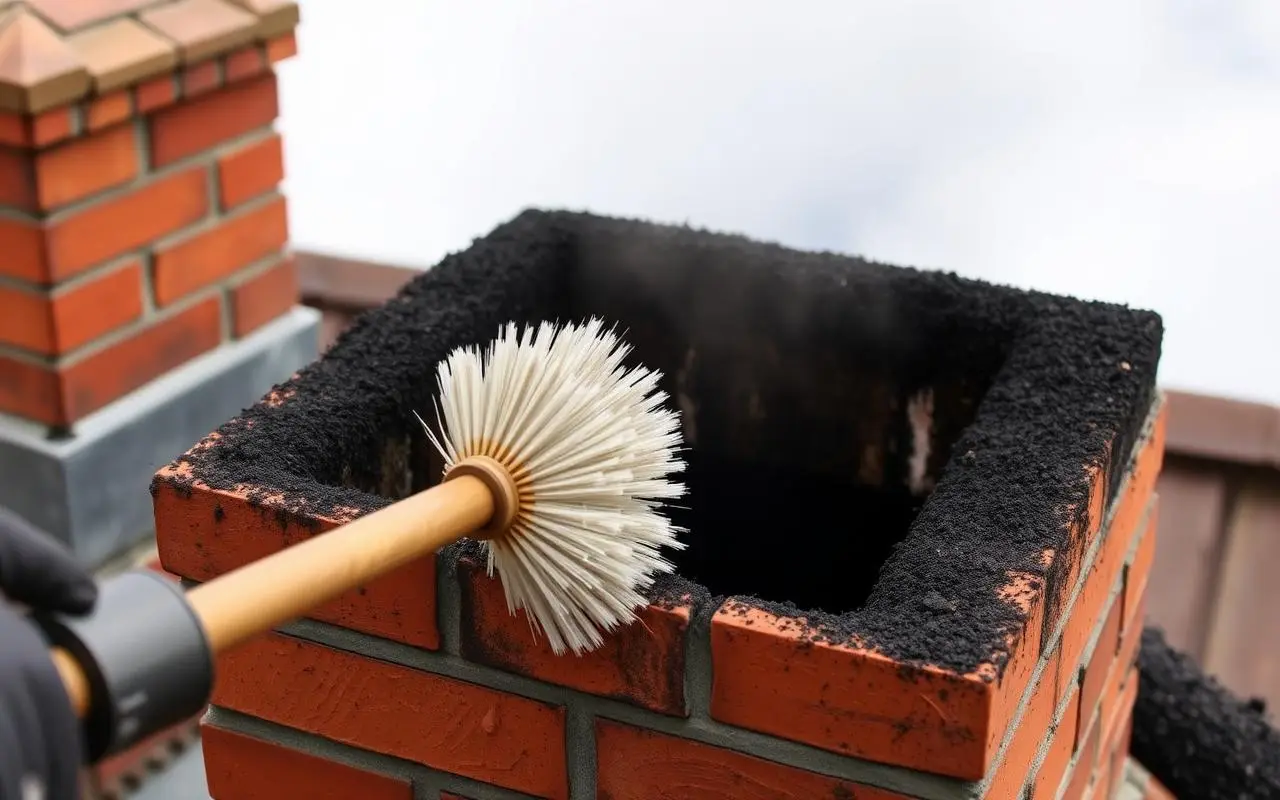
A sweep removes the creosote, soot and debris that build up inside a flue. We protect the room, brush the flue from bottom to top, vacuum what comes down and tell you what we saw along the way.
- Creosote and soot removal
- Leaves and nests cleared
- Open every day
Chimney Sweep
When it is time for a chimney sweep
Even a fireplace that only runs on a few cool nights each winter builds up deposits. Creosote is the tar left behind when wood smoke cools on its way up the chimney. It sticks to the flue in layers, and if it ignites it can start a chimney fire hot enough to crack a liner.
In Orlando the chimney also collects what the weather and the neighborhood bring in during the months it sits unused: oak leaves, pine needles, twigs and the nests of birds and squirrels. Book a sweep if any of these sound familiar.
- You burned wood this season or have not had the chimney swept in a year or more
- Black, flaky or shiny tar like deposits inside the firebox or damper
- A strong smoky or musty smell from the fireplace, worse on humid days
- Smoke drifting into the room instead of going up the chimney
- Leaves, twigs or nesting material falling into the firebox
- Sounds of birds or animals in the flue
Why it matters
What you get with Chimney Sweep
Lower fire risk
Removing creosote takes away the fuel for a chimney fire. Glazed creosote, the hardest kind, needs more than a brush, and we will tell you if that is what we find.
A clean room after
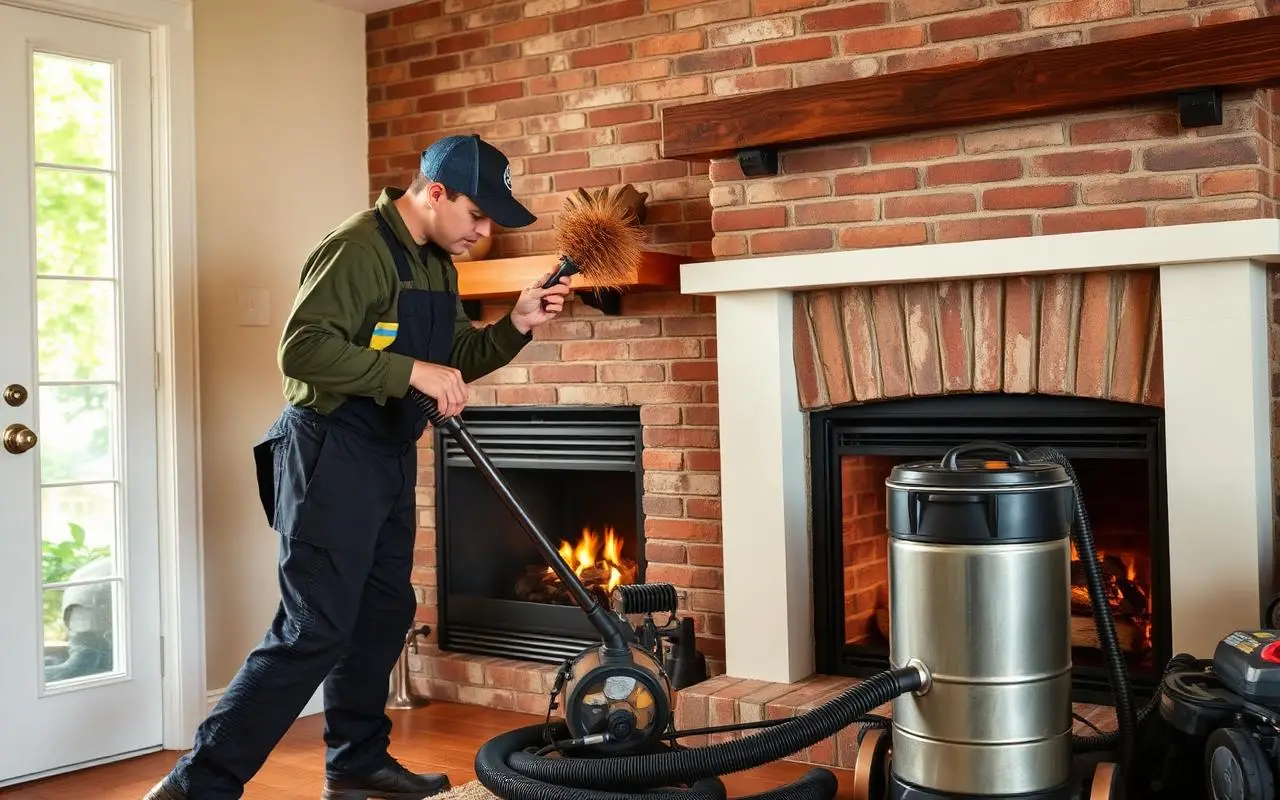
The hearth and floor are covered before any tool comes out, and the soot is vacuumed as it comes down. We leave the fireplace area as we found it, minus the soot.
A look inside the flue
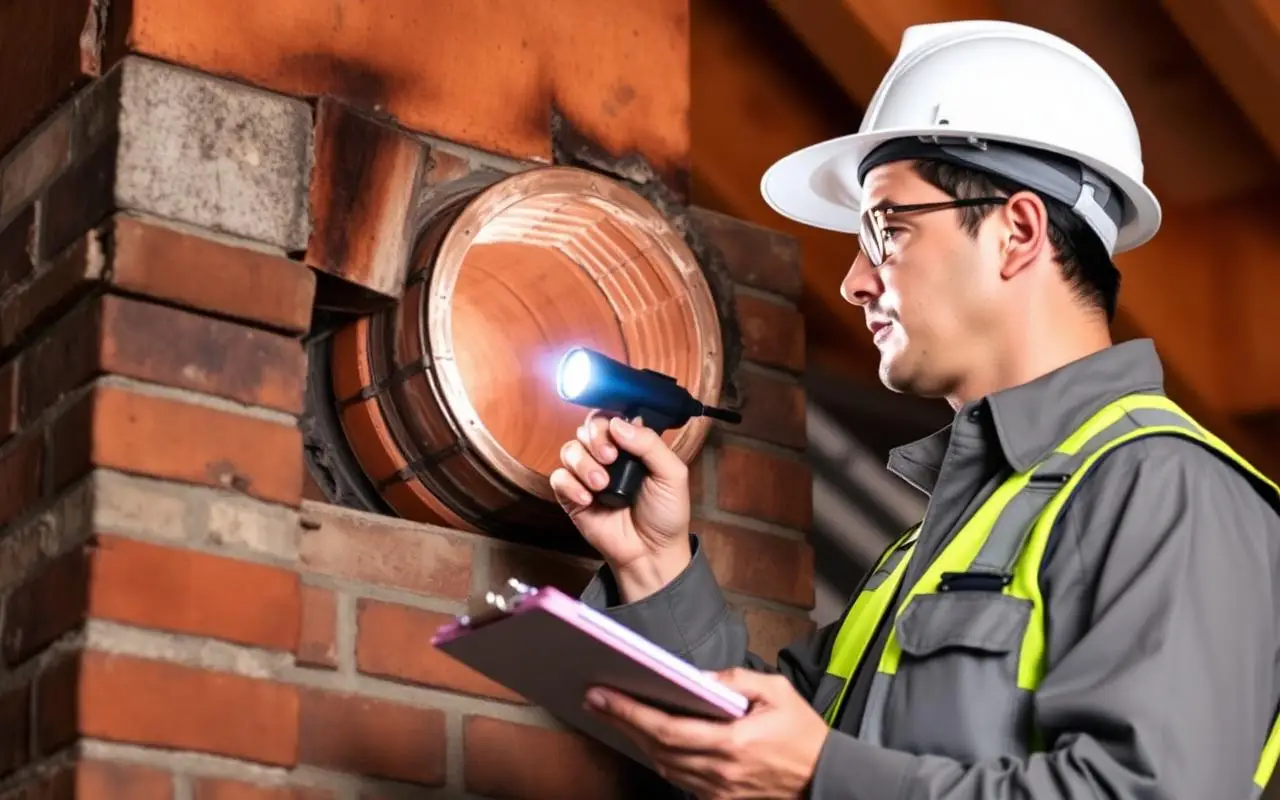
Sweeping is a good time to see the condition of the liner, the smoke chamber and the damper. We point out cracks, gaps or loose parts so you can decide what to do next.
What happens during a sweep
A typical sweep follows the same steps every time, so nothing in the system gets skipped.
- Cover the hearth and floor and set up the vacuum at the fireplace opening
- Check the firebox, damper and smoke shelf before cleaning
- Brush the flue with rods and brushes sized to its shape and lining
- Clear the smoke chamber and smoke shelf, where debris collects
- Vacuum the firebox and remove everything that came down
- Check the cap and the top of the flue from the roof when it is safe to do so
- Walk you through what we found and anything that needs attention
How often should a chimney be swept?
NFPA 211, the national standard for chimneys, fireplaces and vents, calls for an inspection at least once a year, with cleaning done as needed. How often you need a sweep depends on how much you burn and what you burn. A fireplace used every week through a cold snap needs more attention than one lit twice a year.
Seasoned hardwood leaves less creosote than green or soft wood, and a fire that burns hot leaves less than one that smolders. If you are not sure, a yearly visit before the cooler months is a sensible rhythm for most homes in Orlando, Winter Park, Apopka and the surrounding cities.
Gas fireplaces need attention too
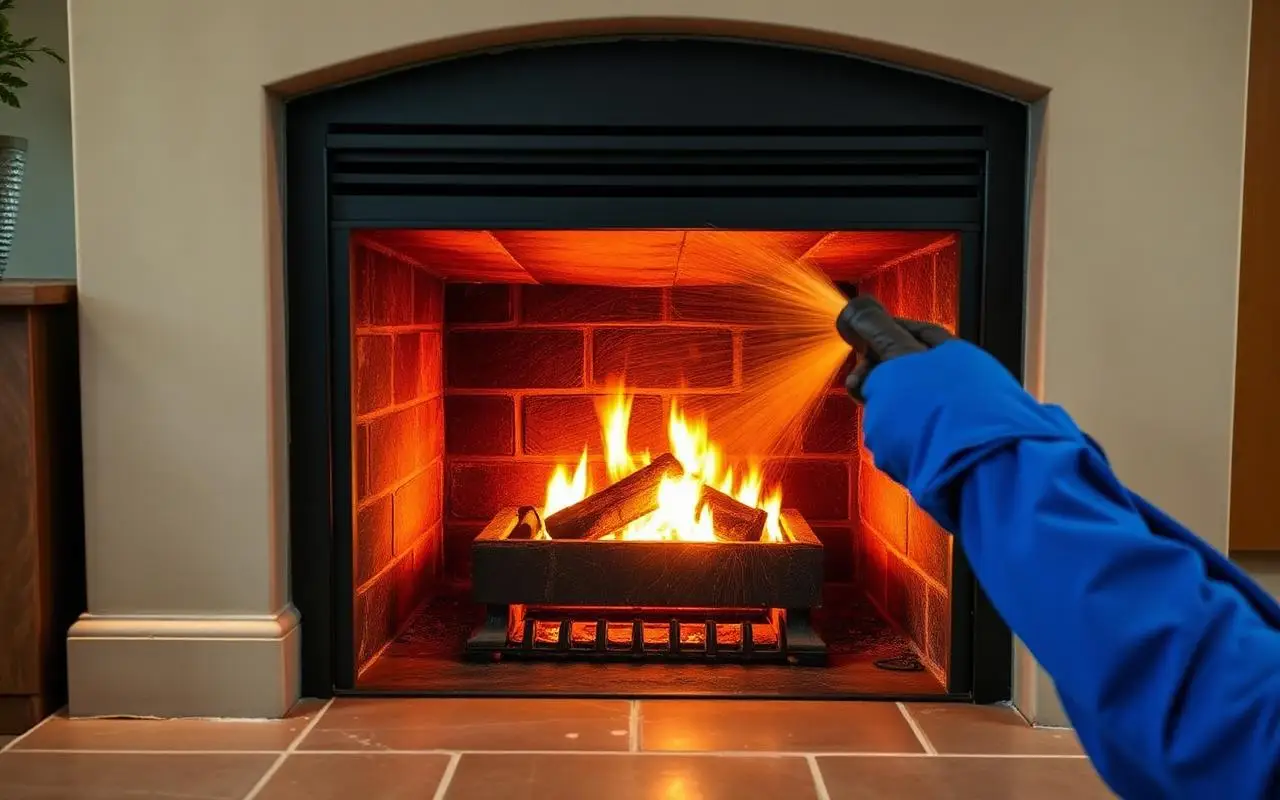
Many Central Florida homes have gas log sets instead of wood. Gas burns cleaner, but the vent still has to stay clear: nests, debris and corroded parts can block it and send combustion gases back into the house. We check and clean gas fireplace vents as part of a sweep visit.
Questions
Chimney Sweep questions
Is a chimney sweep messy?
It should not be. We lay down covers, work from the fireplace opening with a vacuum running and clean up before we leave. Most customers stay in the house the whole time.
I barely use my fireplace. Do I still need a sweep?
Light use builds up less creosote, but an idle chimney in our climate collects moisture, leaves and nesting material. A yearly check catches a blockage before the night you finally light a fire.
What is the difference between a chimney sweep and a chimney cleaning?
People use the words loosely. On this site a sweep means brushing creosote and soot out of the flue of a fireplace in regular use, and a cleaning means a deeper job on a system with heavy buildup, odors, debris or a long gap since its last service.
Can you remove animals or nests from my chimney?
We remove nests and debris from the flue and smoke chamber. If an animal is still living inside, we will recommend the right next step first, and once the flue is clear a properly fitted cap keeps animals from coming back.
How should I prepare for a chimney sweep?
Do not use the fireplace for a day before the visit so the ashes are cold, clear a path to the fireplace and move anything fragile off the mantel. We bring the protective covers and equipment.
More services
Other services we provide
Ready to book your chimney sweep?
Call us or send the form. We set a visit time that works for you, any day of the week.
Get in touch
Request an estimate
Fill out the form and our team will get back to you.