

Chimney Repair in Orlando: Structural Guide
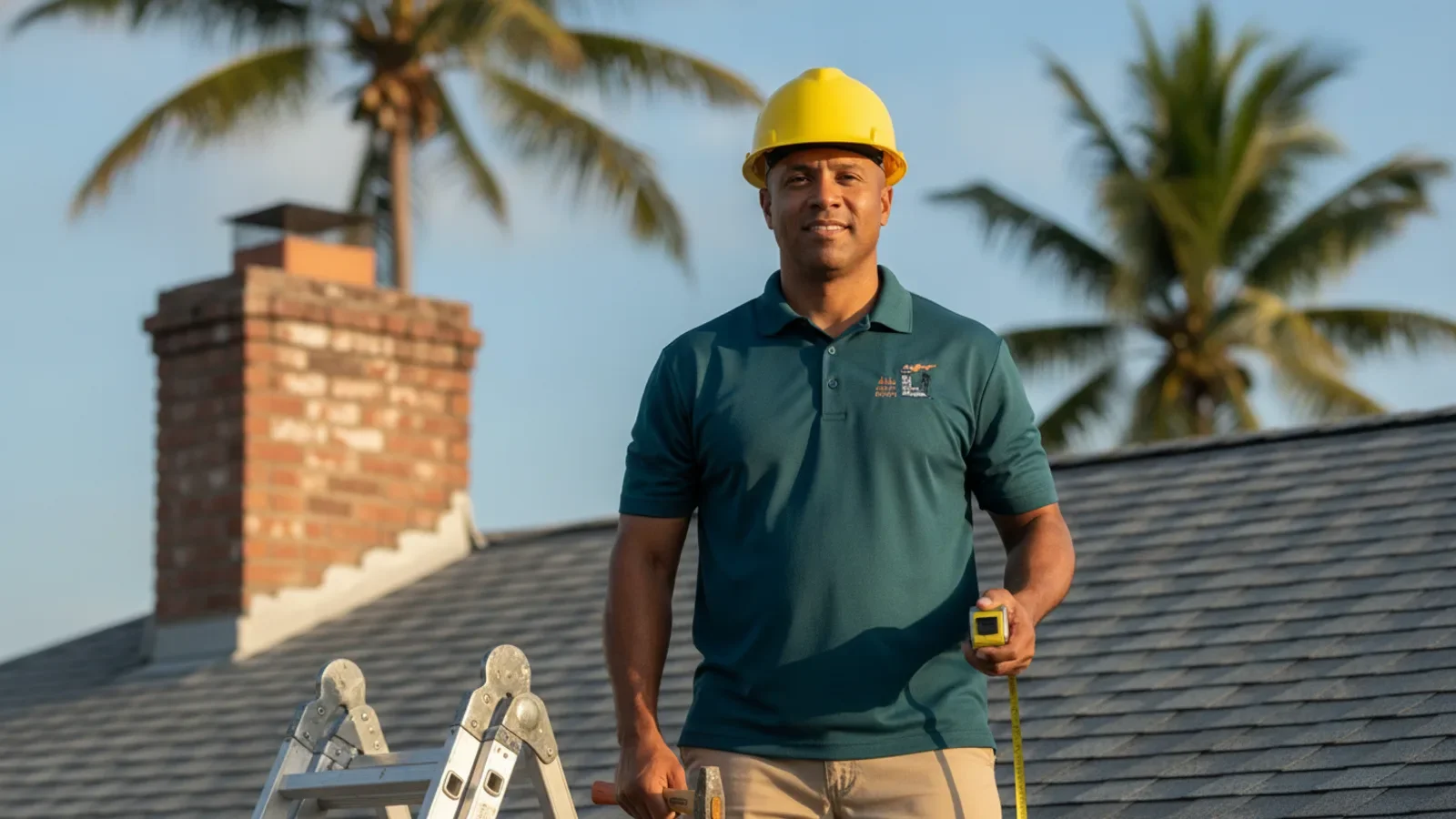
While Central Florida is famous for its warm weather, many historic and modern homes in Orlando feature beautiful fireplaces and chimneys. However, our climate presents significant challenges to these structures. Between near-daily summer thunderstorms, tropical storm and hurricane winds, constant humidity, and shifting sandy soil, chimneys in our area face environmental stressors that homes in drier regions never encounter. Understanding the structural integrity of your venting system is crucial to protecting your property and family.
The Hidden Impact of Orlando Weather on Masonry
How Constant Moisture Accelerates Mortar Decay
Orlando's rainy season runs from June through September, and the humidity rarely drops far the rest of the year. The porous brick and mortar joints of a chimney absorb moisture from the damp air and from daily downpours. When the sun comes out, that moisture evaporates, and the repeated wetting and drying slowly breaks down the mortar. Minerals carried by the water can also crystallize inside the microscopic pores of the brick, and algae and mildew hold even more moisture against the surface. Over time, the mortar crumbles into a fine powder, weakening the overall stability of the entire chimney stack.
The Threat of Hurricane-Force Winds
A chimney is the highest and most exposed component of your home. When a tropical storm or hurricane crosses Central Florida, wind gusts can be strong enough to damage roofs, trees and chimneys well away from the shoreline. If the mortar joints have already been weakened by moisture or age, the high lateral wind loads can cause structural failure. A compromised chimney can tilt, crack at the roofline, or even collapse entirely. Ensuring timely masonry restoration is not just about keeping your fireplace functional, it is a vital step in securing your home against severe weather hazards.
Thermal Expansion and Central Florida Humidity
Our subtropical climate experiences intense solar heating during the day followed by sudden afternoon rain showers that rapidly cool the exterior masonry. This rapid temperature swing causes the bricks and concrete components to expand and contract. This constant thermal movement, coupled with near-constant high humidity, creates small hairline fractures in the concrete chimney crown. Once water enters these tiny cracks, the degradation process accelerates, leading to major leaks inside your attic and living spaces.
Why Orlando Chimneys Fail: Common Structural Issues
Spalling Bricks and Flaking Masonry
Spalling occurs when the face of the brick pops off, flakes, or crumbles. This is a clear sign of deep water saturation and structural decay. In Orlando, spalling is often worsened by using improper, non-breathable sealants that trap moisture inside the brick instead of letting it escape. Once a brick begins to spall, it loses its load-bearing capacity, transferring excess weight to the surrounding bricks and increasing the risk of a partial collapse.
Chimney Crown Cracking and Deterioration
The chimney crown is the concrete slab that sits on top of the chimney stack, designed to shed water away from the masonry. Many older homes in our city have crowns made of simple leftover mortar mix rather than a durable, reinforced concrete pour. These sub-standard crowns crack easily under the hot Florida sun. When rainwater penetrates these cracks, it flows directly down into the internal chimney structure, rotting the wooden framing of your roof and ceiling.
Deteriorated Flashing at the Roofline
The metal flashing that seals the gap between your chimney and the roof surface is highly vulnerable to the elements. Constant moisture, sun and heat break down sealant and corrode older steel flashing, eventually leaving rusted holes. During heavy afternoon downpours, water runs down the side of the chimney and straight through these gaps. This water intrusion damages the surrounding roof deck, breeds rot, and destroys interior drywall.
The Crucial Link Between Soil Shifts and Chimney Tilting
Sandy Soil and Foundation Settling
The ground beneath Orlando homes consists largely of sand, with limestone far below the surface in many parts of Central Florida. This type of soil shifts easily under the weight of heavy structures, especially during the heavy rains of the wet season or after a long dry spell. Because a chimney is exceptionally heavy and concentrated on a small footprint, even minor foundation settling can cause the entire chimney stack to lean away from the main structure of the house.
Identifying a Leaning or Separating Chimney
A tilting chimney is a severe structural emergency. Homeowners should regularly inspect the point where the exterior chimney meets the siding or stucco of the house. If you notice a visible gap, or if caulking between the chimney and the wall is tearing apart, the chimney foundation is sinking. Trying to seal this gap with foam or caulk is a temporary band-aid that ignores the underlying structural failure. Professional structural stabilization is required immediately to prevent a catastrophic collapse.
The Risks of Interior Wall Cracking
When an exterior chimney begins to settle or tilt, it exerts immense leverage on the interior walls. This movement often manifests as diagonal cracks in the drywall or plaster near your fireplace. You may also notice that adjacent doors or windows become difficult to open or close. This occurs because the shifting masonry is warping the wooden framing of your home, highlighting the need for a professional structural assessment.
The Importance of Regular Professional Maintenance
Scheduling a Professional Chimney Inspection
Many homeowners believe that if they rarely light a fire, they do not need to worry about their venting system. This is a dangerous misconception in Central Florida. External environmental damage occurs year-round regardless of how often you use your fireplace. A thorough chimney inspection is the only reliable way to evaluate the stability of your masonry, check for internal liner cracks, and spot flashing leaks before they cause thousands of dollars in water damage to your attic.
Removing Debris and Blockages
Our local wildlife, including birds, squirrels, and raccoons, frequently view open chimney flues as ideal nesting sites. Additionally, high winds can blow oak leaves, pine needles, twigs and palm fronds into the flue. These debris blockages prevent smoke and dangerous carbon monoxide from venting safely out of your home. A professional chimney sweep can safely clear out these obstructions and install a heavy-duty, corrosion-resistant stainless steel chimney cap to keep pests out for good.
Preventing Creosote Accumulation
When you do burn wood in your fireplace, a highly flammable byproduct called creosote deposits on the inner walls of your flue. Over time, this dark, tar-like substance builds up. If the creosote layer becomes thick enough, a stray spark can ignite a dangerous chimney fire. Regular chimney cleaning removes this hazardous buildup, ensuring that your occasional cozy fire remains safe and controlled.
Comparing Chimney Issues: Prevention vs. Structural Repair
Understanding the difference between routine maintenance and major structural restoration helps homeowners plan budgets and protect their properties effectively. The table below outlines common issues, how they present, and the typical corrective action required.
| Issue | Primary Cause | Visual Signs | Required Action |
|---|---|---|---|
| Creosote Accumulation | Wood combustion byproducts | Black, sticky, or flaky soot in flue | Routine chimney cleaning |
| Minor Mortar Erosion | Humidity and repeated wetting | Small gaps, powdery mortar lines | Repointing / Tuckpointing |
| Spalling Bricks | Water saturation, poor sealants | Flaking, crumbling, or missing brick faces | Brick replacement and waterproofing |
| Leaning Chimney Stack | Sandy soil shifting, weak foundation | Visible gap between chimney and house siding | Structural stabilization / Foundation piers |
| Corroded Flashing | Constant moisture and sun exposure | Rust stains, ceiling leaks near chimney | Flashing replacement and sealing |
Protecting Your Chimney: Actionable Steps for Homeowners
Apply a Vapor-Permeable Water Repellent
To defend your chimney masonry from the damp climate of Orlando, apply a professional-grade, silane-siloxane-based water repellent. Unlike cheap retail sealants that create a glossy plastic coat, vapor-permeable products penetrate deep into the brick. They allow internal moisture vapor to escape while blocking external rainwater from soaking into the masonry pores. This single preventative step can add years to the lifespan of your chimney structure.
Trim Overhanging Tree Branches
Florida storm winds cause nearby oak and pine limbs to whip violently. If branches hang over your chimney, they can scrape off the chimney cap, damage the concrete crown, or knock bricks loose during a storm. Ensure that all tree canopy is trimmed back at least ten feet away from your chimney stack. This also prevents leaves and pine needles from collecting around the roof flashing, which traps moisture and accelerates rust.
Schedule Annual Assessments
The smartest way to avoid expensive masonry restoration is to catch minor wear early. A quick annual check-up by a local professional can identify small cracks in the crown, minor flashing gaps, or early mortar decay. Fixing these minor issues immediately prevents water from invading your home and ensures your chimney remains structurally stable through hurricane season.
Frequently Asked Questions About Chimney Care
How often should I have my chimney cleaned in Orlando?
Even if you only use your fireplace occasionally, you should have it evaluated once a year. Regular sweeps remove seasonal debris, animal nests, and any minor creosote deposits that may have formed. This consistent maintenance keeps your system ready for safe use and prevents blockage-related hazards.
What are the signs that my chimney has structural damage?
Key warning signs include visible cracks in the exterior masonry, crumbling mortar, falling debris inside the fireplace firebox, water stains on ceilings near the chimney, and a visible tilt or separation of the chimney stack from your home's exterior walls.
Can Orlando's humidity really damage my chimney bricks?
Yes. Constant moisture is highly destructive to masonry. Water penetrates the pores of the brick and mortar, and as it dries, dissolved minerals can crystallize and expand, physically breaking down the internal structure of the masonry, causing it to crumble, flake, and lose its structural strength.
Is a cracked chimney crown dangerous?
Absolutely. A cracked chimney crown allows water to flow directly into the interior of the chimney structure. This water intrusion causes wood rot in the roof framing, damages the ceiling drywall, weakens the mortar joints, and can lead to costly structural failure if left unaddressed.