

Chimney Cleaning in Orlando: The Real Cost
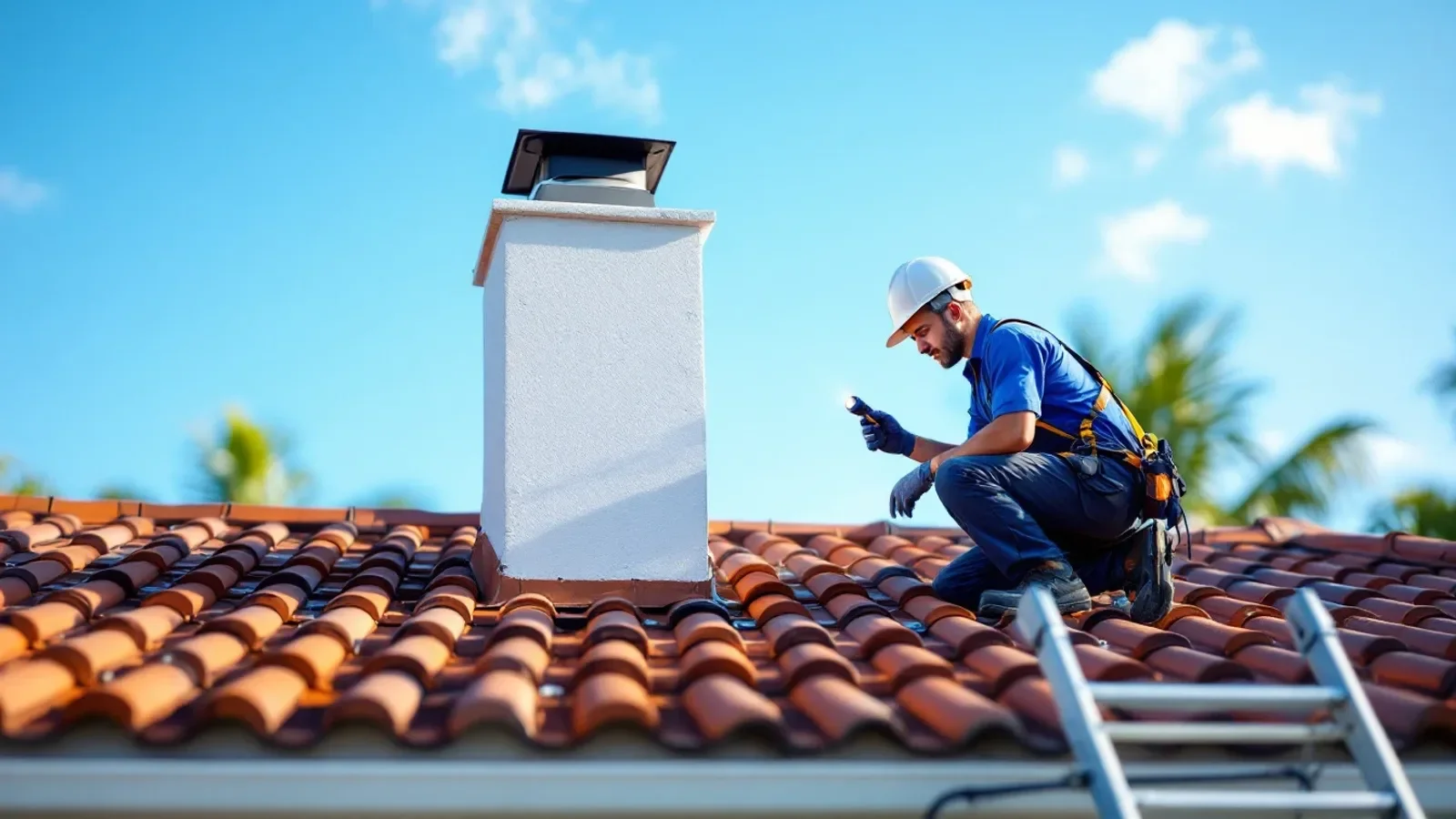
Most homeowners think about chimney cleaning only when something goes wrong. In Orlando, that's a costly habit. Central Florida's humidity, summer thunderstorms, and long warm season create conditions that encourage moisture damage, pest nesting, and structural deterioration inside a chimney in ways drier climates rarely see. What you skip today can quietly compound into a repair bill that dwarfs what routine maintenance would have cost.
Why Central Florida Chimneys Are Different From the Rest of the Country
Humidity Changes the Chemistry Inside Your Flue
A chimney in a dry northern climate deals primarily with creosote, the tar-like byproduct of wood combustion that coats the flue liner over time. In Orlando, that problem gets layered on top of another: moisture. When humid air meets the cooler interior surfaces of a flue, condensation forms. That moisture mixes with creosote and soot to create an acidic compound that eats into clay tile liners, mortar joints, and metal components far more aggressively than dry creosote alone.
The result is that a chimney here can deteriorate between uses in ways that simply don't happen in drier regions. Even if you rarely light a fire, the structure still needs attention.
Summer Storms, Lightning, and Wind-Driven Rain
From June through September, Orlando gets near-daily afternoon thunderstorms, and tropical storms and hurricanes can push heavy, wind-driven rain well inland. Rain driven sideways finds every weak point on a chimney: a cracked crown, a missing cap, loose flashing. Lightning is also frequent here, and a strike near a chimney can crack masonry or loosen a cap. When a chimney sweep inspects and cleans a local fireplace, they're also checking the damper, flashing, cap, and any exposed steel in the firebox for early-stage rust or storm damage that, caught now, is a minor fix. Left alone, a corroded damper that no longer seals properly allows moisture, debris, and even pests to enter the flue year-round.
Infrequent Use Doesn't Mean Low Risk
Here's a counterintuitive truth about Central Florida fireplaces: using them less often doesn't reduce the need for maintenance. Debris accumulation, bird and animal nesting, and moisture intrusion happen regardless of whether you light a fire. A flue that sits unused for a year can accumulate enough organic material that the first fire of the season creates a genuine hazard. The National Fire Protection Association standard NFPA 211 recommends that chimneys, fireplaces, and vents be inspected at least once a year and cleaned when necessary, regardless of how often they're used.
What Actually Drives the Cost of Chimney Sweep Services
The Condition of the Flue Liner
A standard cleaning on a well-maintained chimney is straightforward. Add years of neglect, and the scope of work changes significantly. Thick, hardened creosote deposits, especially what professionals classify as third-degree creosote, require specialized chemical treatments and more labor-intensive removal methods. The worse the buildup, the more time and materials the job demands. Staying on a regular schedule keeps the work in the simpler, less involved category.
Access and Chimney Configuration
Not all chimneys are built the same. A single-story home with a straightforward flue is easier to service than a multi-story structure, a chimney with multiple flues, or one where the roofline creates difficult access. Flue height, liner material (clay tile versus stainless steel versus cast-in-place), and the presence of a fireplace insert all influence how much work a professional sweep needs to do. Orlando homes also mix older masonry chimneys with newer factory-built fireplaces that have metal flues inside framed chases, and each type needs different tools and care. These are structural realities, not arbitrary variables.
Repairs Discovered During Cleaning
This is where neglect becomes genuinely expensive. A routine chimney cleaning often turns up issues that have been quietly worsening: cracked flue tiles, deteriorated mortar joints, a damaged chimney cap, or compromised flashing at the roofline. Caught early, most of these are manageable repairs. Caught late, cracked tiles may require a full relining, and failed flashing can allow water intrusion that damages the surrounding roof structure, ceiling, and interior walls. The cleaning visit that might have prevented all of this is far less expensive than the cascade of repairs that follows.
The Specific Risks of Skipping Maintenance in a Humid Climate
Creosote Buildup and Fire Risk
Creosote is flammable. In its early, flaky stage it's relatively easy to brush away. As it progresses to a tar-like consistency and eventually to a hard, glazed coating, it becomes both harder to remove and more dangerous. A chimney fire can reach temperatures high enough to crack the flue liner, damage the surrounding masonry, and in serious cases, spread to the home's structure. This isn't a theoretical risk reserved for heavy fireplace users. A modest accumulation in a flue that's used only a handful of times per year can still present a hazard if it's never cleaned.
Carbon Monoxide Pathways
A blocked or partially obstructed flue doesn't just reduce draft efficiency. It can redirect combustion gases, including carbon monoxide, back into the living space. Blockages in Orlando chimneys often come from unexpected sources: wasp nests, oak leaves and pine needles, or the nests of birds and squirrels that find an uncapped flue an attractive shelter. A professional sweep identifies and removes these obstructions as part of the cleaning process. A chimney cap, properly installed and maintained, helps prevent them from returning.
Moisture Damage That Spreads Beyond the Chimney
Water is the most insidious long-term threat to a chimney system. Once moisture finds a path in, whether through a cracked crown, failed flashing, or a missing cap, it doesn't stay contained. It migrates into the mortar and works its way into the masonry, and the occasional freeze night in winter can make trapped water expand and crack it further. From there, it can reach the attic, ceiling, and wall cavities. What started as a chimney maintenance issue becomes a roofing and interior repair problem. A small chimney issue that was deferred through a few rainy seasons often becomes a multi-system repair for Orlando homeowners.
How Often Should an Orlando Chimney Be Cleaned?
The Annual Baseline
The NFPA 211 standard of annual inspection applies here. For Orlando homeowners who use their fireplace regularly during the cooler months, an annual cleaning before or after the season makes practical sense. It clears any buildup from the previous season and confirms the system is ready for the next one.
When More Frequent Attention Makes Sense
Certain conditions call for more frequent service. If you burn wood regularly rather than using a gas insert, creosote accumulates faster. If your chimney has a history of moisture issues, more frequent inspections help catch new damage before it progresses. And if you've recently had any work done on the roof near the chimney, or a big storm has just passed through, it's worth having the flashing and crown checked to confirm everything is still properly sealed.
Signs That a Cleaning Is Overdue
You don't always need to wait for the calendar. Certain signals suggest the chimney needs attention now:
-
A strong, oily, or smoky odor coming from the fireplace when it's not in use
-
Smoke entering the room when you light a fire
-
A visible dark, greasy coating on the damper or firebox walls
-
Debris or animal sounds coming from the flue
-
Staining on the exterior masonry or on the ceiling near the chimney
-
A damper that feels sticky or doesn't open and close smoothly
Any one of these warrants a call to a local chimney cleaner before the next fire is lit.
Comparing the True Costs: Maintenance vs. Neglect
Putting the financial reality in concrete terms helps clarify the decision. The table below outlines typical scenarios and their relative scope of consequence.
| Scenario | Typical Scope | Consequence of Deferring |
|---|---|---|
| Annual cleaning, chimney in good condition | Standard brush cleaning, basic inspection | Minimal, if any, additional work needed |
| Cleaning after 2 to 3 years of neglect | Heavier deposit removal, possible minor repairs | More labor, possible tile or mortar work |
| Cleaning after 5+ years, moisture present | Heavy creosote, corroded components, cracked liner | Potential relining, flashing repair, interior water damage |
| Chimney fire from uncleaned flue | Emergency service, structural assessment | Major masonry repair, possible roof and structural damage |
| Pest blockage (birds, squirrels, wasps) undetected | Obstruction removal, cap installation | Carbon monoxide risk, repeated infestations without cap |
The pattern is consistent: the longer maintenance is deferred, the more the eventual work expands in scope. Routine service is an investment in keeping the scope narrow.
What a Professional Chimney Sweep Actually Does
The Cleaning Process, Step by Step
A qualified sweep doesn't simply run a brush down the flue and call it done. The process starts with a visual assessment of the exterior, including the crown, cap, and flashing. Inside, the damper is checked for operation and condition. The firebox is examined for cracks, spalling, or deteriorating mortar. Then the actual cleaning begins, using brushes sized to the flue dimensions to dislodge deposits, with a vacuum system capturing the debris to keep the interior clean. After cleaning, the sweep inspects the liner for cracks or damage that the buildup may have been concealing.
What a Level I vs. Level II Inspection Covers
NFPA 211 defines three levels of chimney inspection. A Level I inspection, typically included with a routine cleaning, covers the readily accessible portions of the chimney interior and exterior. A Level II inspection, which uses video scanning equipment to examine the full length of the flue liner, is recommended when a home is being sold, after a chimney fire, or when changes are made to the system such as a new insert or liner. Understanding which level of inspection your situation warrants is something a qualified sweep can advise on during the visit.
Documentation and Follow-Up
A professional service should leave you with a clear record of what was found and what was done. If repairs are needed, you should receive a specific description of the issue, not a vague recommendation. That documentation matters for insurance purposes, for tracking the chimney's condition over time, and for informing any future buyer of the home about its maintenance history.
Frequently Asked Questions
How do I know if my chimney needs cleaning if I rarely use my fireplace?
Infrequent use doesn't prevent debris, moisture, or pest-related issues. An annual inspection is the reliable way to know. Odors from the fireplace when it's not in use, visible staining, or debris in the firebox are also signals worth acting on regardless of how often you light a fire.
Is chimney cleaning different for gas fireplaces versus wood-burning fireplaces?
Yes. Gas fireplaces produce far less creosote, but their flues still need inspection for blockages, liner integrity, and proper venting. Wood-burning fireplaces accumulate creosote deposits that require physical removal. Both types benefit from annual professional attention.
What is creosote, and why does it matter in Central Florida?
Creosote is a combustion byproduct that coats the interior of a wood-burning flue. In Central Florida's humid climate, moisture mixes with creosote to create an acidic compound that accelerates liner and mortar deterioration. It's also flammable, making its removal a fire-safety priority.
Can I clean my chimney myself?
Light, accessible surface-level soot can sometimes be brushed from the firebox by a homeowner. But a thorough cleaning of the full flue, including inspection of the liner, crown, cap, and damper, requires professional tools and training. DIY attempts without the right equipment often push debris deeper into the flue or miss damage that a trained eye would catch.
Does homeowner's insurance cover chimney fire damage?
Policies vary significantly. Many insurers require evidence of regular maintenance and may deny claims related to fires caused by creosote buildup if the chimney hasn't been serviced. Keeping a record of annual cleaning and inspection visits is the most straightforward way to support a claim if one is ever needed.
How long does a chimney cleaning typically take?
A standard cleaning on a well-maintained chimney generally takes one to two hours. Heavier buildup, more complex configurations, or additional repairs discovered during the visit will extend that time. A sweep should give you a realistic time estimate after the initial assessment.