

Chimney Inspection Cost Factors in Orlando
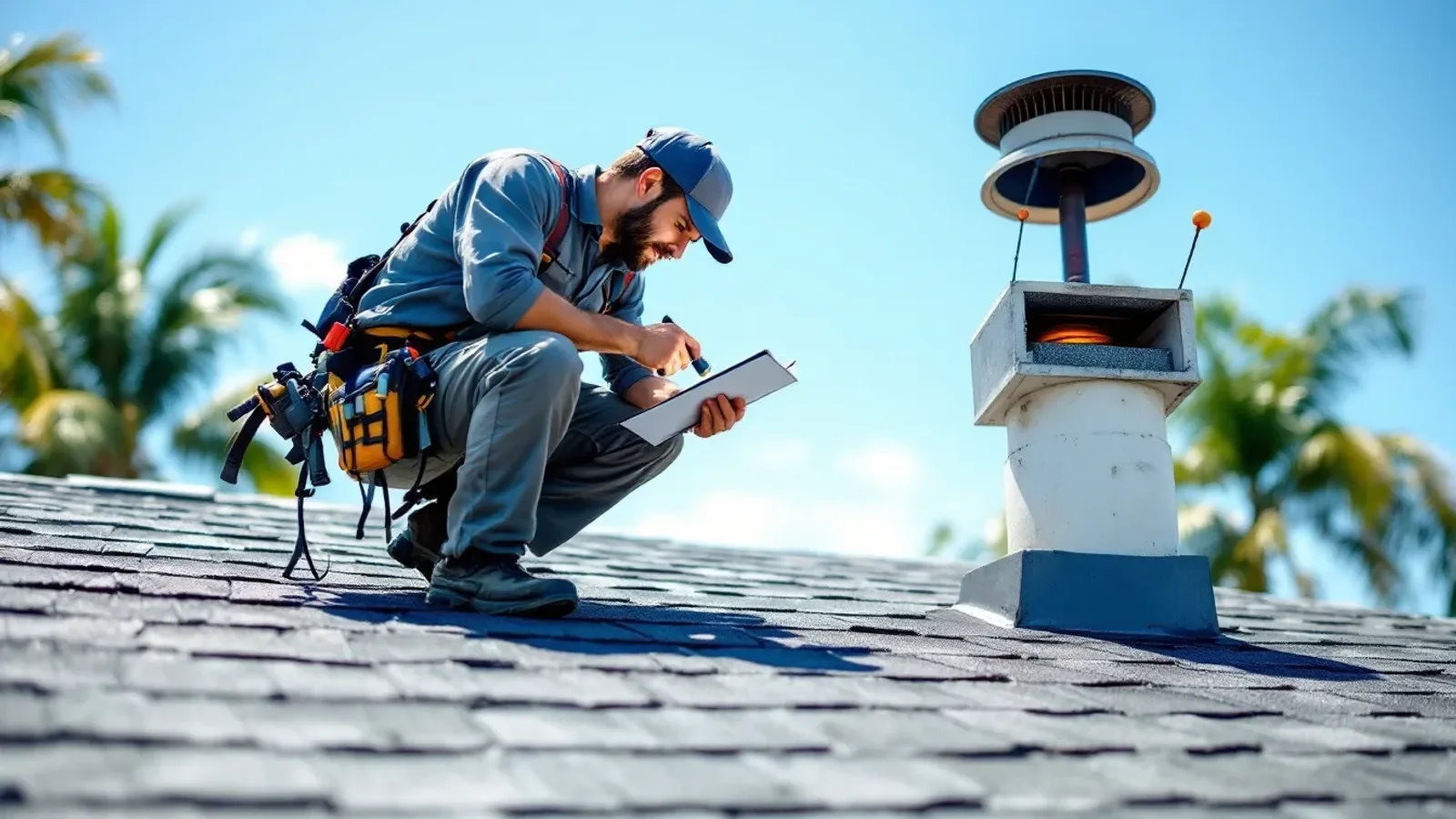
Booking a chimney inspection is one of the smartest moves a homeowner can make, yet the pricing can feel opaque before you pick up the phone. Several real, measurable factors shape what you'll pay, and understanding them puts you in a much better position to compare quotes and avoid surprises. This guide breaks down every significant cost driver for a chimney inspection in Orlando, so you walk into the process informed.
The Three NFPA Inspection Levels (and Why They Price Differently)
The National Fire Protection Association standard NFPA 211 defines three inspection levels. The level you need is the single biggest factor in what the job costs.
Level 1: The Routine Annual Check
A Level 1 inspection covers the accessible portions of the chimney interior and exterior, the firebox, and the flue. The technician visually checks for obvious deterioration, blockages, and correct clearances. Because no special equipment or destructive access is required, this is the least involved option. It suits a chimney that has been used normally, with no changes to the appliance or fuel type, and no known events like a chimney fire or storm damage.
Level 2: The More Thorough Evaluation
A Level 2 chimney inspection goes further. It includes everything in Level 1 plus a video scan of the flue interior using a closed-circuit camera system. The technician also accesses attic and crawl space areas where the chimney passes through the structure. NFPA 211 requires a Level 2 any time a property changes hands, after a chimney fire, or when a homeowner switches fuel types or installs a new insert. Because camera equipment and additional labor are involved, the fee is meaningfully higher than a Level 1. This is the inspection most real-estate transactions and insurance carriers ask for.
Level 3: Invasive Structural Investigation
Level 3 inspections involve removing portions of the chimney structure, such as panels, masonry, or other components, to access areas that cannot be evaluated any other way. This level is reserved for situations where serious hidden damage is suspected. The cost reflects both the investigative labor and the materials disturbed in the process. Most residential homeowners will never need a Level 3 unless a prior inspection identified a specific, serious concern.
Your Chimney's Physical Characteristics Matter More Than You Might Expect
Two chimneys in the same Orlando neighborhood can require very different amounts of technician time based purely on their construction. Those physical differences translate directly into labor and, in some cases, equipment costs.
Height and Roof Pitch
A taller chimney with a steeper surrounding roof requires more time to access safely and more rod or camera cable to scan the full flue length. Technicians working at height also need appropriate safety equipment. A single-story home with a low-pitch roof is simply faster and easier to work on than a two-story home with a steep hip roof, and that difference shows up in the quote.
Number of Flues and Fireplace Systems
Some chimneys serve a single fireplace. Others contain multiple flues for separate appliances, such as a wood-burning fireplace and a gas furnace vent. Each flue needs its own inspection pass. A home with two or three flues in one chase will take longer to inspect thoroughly than a single-flue system, and most providers price accordingly.
Chimney Construction and Age
Masonry chimneys built with brick and mortar behave differently under inspection than prefabricated factory-built systems with metal flues inside framed chases. Orlando has plenty of both, from older masonry fireplaces in neighborhoods like Winter Park to newer prefab units in recent subdivisions. Older masonry structures in Central Florida can show deterioration from the region's humidity and seasonal rain cycles. If a technician encounters significant buildup or structural complexity mid-inspection, the time required can increase. That is not a bait-and-switch; it reflects genuine additional work.
Central Florida Conditions Create Unique Inspection Considerations
Orlando is not a mountain cabin market. Chimneys here face a specific set of environmental stressors that inspectors must account for, and those factors can influence both what the inspection covers and whether follow-up work is recommended.
Humidity, Rain, and Biological Growth
The Central Florida climate accelerates mortar deterioration and encourages mold and mildew growth inside flue systems that see infrequent use. An inspector evaluating a chimney that has sat idle through several humid summers will spend more time documenting moisture-related findings than one checking a well-maintained system. That thoroughness is worth the time, because catching early moisture damage prevents far more expensive repairs later.
Storm and Hurricane Damage Assessment
After a significant storm, including a lightning strike or a tropical storm that crosses the state, a Level 2 inspection is often the appropriate starting point. Wind-driven debris, pressure changes, and direct impact can crack flue liners, shift chimney caps, and damage flashing in ways that are invisible from ground level. If your chimney sustained any storm exposure, a more detailed inspection is the responsible choice, and the scope of that work will reflect in the fee.
Infrequent Use Patterns
Many Orlando homeowners use their fireplace only a handful of times per year, or have inherited a home with a fireplace that has not been used in years. Long dormancy creates its own set of inspection concerns: pest nesting, debris accumulation, and liner degradation from moisture rather than heat. An inspector who finds a bird's nest or significant blockage will need additional time to document and, if combined with a cleaning, address those findings.
Bundling Inspection with Cleaning: A Practical Cost Consideration
Here is a counterintuitive point worth considering: scheduling a chimney inspection and cleaning together often costs less per service than booking them separately on two different visits. The technician is already on-site with equipment set up, so the incremental labor for a cleaning on top of an inspection is lower than a standalone trip. If your chimney has not been serviced in more than a year, asking for a combined appointment is a sensible way to manage the overall spend.
That said, an inspection should always come first in the workflow. The inspection findings determine whether a standard cleaning is appropriate or whether repairs need to happen before the chimney is used again. A reputable provider will sequence the work correctly rather than rushing to clean a system that needs structural attention first.
What a Quote Should Actually Include
Not every chimney inspection quote covers the same scope. Before you agree to a price, it is worth confirming exactly what is included. A well-structured quote for a chimney inspection in Orlando should address the following:
-
Inspection level (Level 1, 2, or 3 per NFPA 211)
-
Number of flues covered in the fee
-
Video scanning included or priced separately (critical for Level 2)
-
Written report with findings and photos
-
Travel and access fees, if any apply to your area
-
Whether the inspection fee applies toward any recommended repairs or cleaning
A written report is not optional. If a provider offers a verbal-only assessment, that is a gap in documentation that can matter when dealing with insurance carriers or real-estate transactions.
Inspection Level Comparison at a Glance
| Inspection Level | Scope | Camera Required? | Common Trigger | Relative Cost |
|---|---|---|---|---|
| Level 1 | Accessible areas, visual only | No | Annual maintenance, no changes | Lower |
| Level 2 | Level 1 + video scan + concealed spaces | Yes | Home sale, chimney fire, appliance change | Moderate to higher |
| Level 3 | Level 2 + invasive structural access | Yes | Suspected hidden structural damage | Highest |
Red Flags That Can Increase the Final Bill
Some findings during an inspection lead to additional recommended services. This is not a reason to avoid inspections; it is precisely why inspections exist. Common discoveries that affect the overall project scope include:
Creosote Buildup Beyond Routine Levels
Creosote is a natural byproduct of wood combustion that accumulates on flue walls. Light deposits are addressed with a standard cleaning. Heavy, glazed third-degree creosote requires specialized treatment and takes considerably more time to remove. An inspector who finds significant buildup will document it and explain what cleaning approach is appropriate. The cleaning cost is separate from the inspection fee, but knowing about it upfront lets you plan the full project budget.
Damaged or Missing Chimney Liner
Clay tile liners crack over time, particularly after thermal shock from a chimney fire or from moisture working into the tile and mortar. In Central Florida, moisture intrusion is a far more common culprit than freezing, though the occasional freeze night can add to it. A cracked liner is a safety concern because it allows combustion gases and heat to reach combustible framing. If the video scan reveals liner damage, chimney repair will be the recommended next step, and that work is priced separately from the inspection itself.
Compromised Flashing or Cap
Chimney caps and flashing are the first line of defense against water intrusion. A missing cap or deteriorated flashing allows rain, debris, and animals into the flue. Inspectors check these components as part of the exterior assessment. Repair or replacement of these components is typically straightforward but does add to the total project scope when needed.
Frequently Asked Questions
How often should a chimney in Orlando be inspected?
NFPA 211 recommends an annual inspection for any chimney in regular use. Even if you only light a fire a few times per year, an annual check helps catch moisture damage, pest intrusion, and cap deterioration before they become serious problems in Central Florida's climate.
Is a Level 2 inspection required when buying or selling a home?
NFPA 211 specifies that a Level 2 inspection is appropriate when a property changes hands. While it may not be legally mandated in every jurisdiction (requirements vary by area and lender, so confirm with your agent and lender), it is the recognized industry standard for real-estate transactions and provides the documentation buyers and sellers need.
Can I skip the inspection and just book a cleaning?
Cleaning a chimney that has structural damage or a cracked liner can be counterproductive and, in some cases, make the condition worse. An inspection first ensures the technician knows what they are working with. Many providers offer combined inspection-and-cleaning appointments that address both steps efficiently.
What does a written inspection report typically include?
A thorough report documents the condition of the firebox, smoke chamber, flue liner, exterior masonry, cap, crown, and flashing. It should include photographs of any deficiencies found, the inspection level performed, and clear notes on what, if anything, needs attention before the fireplace is used again.
Does homeowner's insurance cover chimney inspection costs?
Standard homeowner's insurance policies typically treat chimney inspections as routine maintenance, which is generally not covered. However, if an inspection is needed to document storm damage for a claim, your insurer may have different guidance. Check your specific policy and consult your insurance agent for clarity on your coverage.
How long does a chimney inspection typically take?
A Level 1 inspection on a straightforward single-flue chimney usually takes under an hour. A Level 2 inspection with video scanning and a more complex chimney can run two hours or more. The technician's time on-site is one of the factors that influences the fee, which is why chimney height, number of flues, and access complexity all matter.