

Chimney Cleaning in Orlando: How Often?
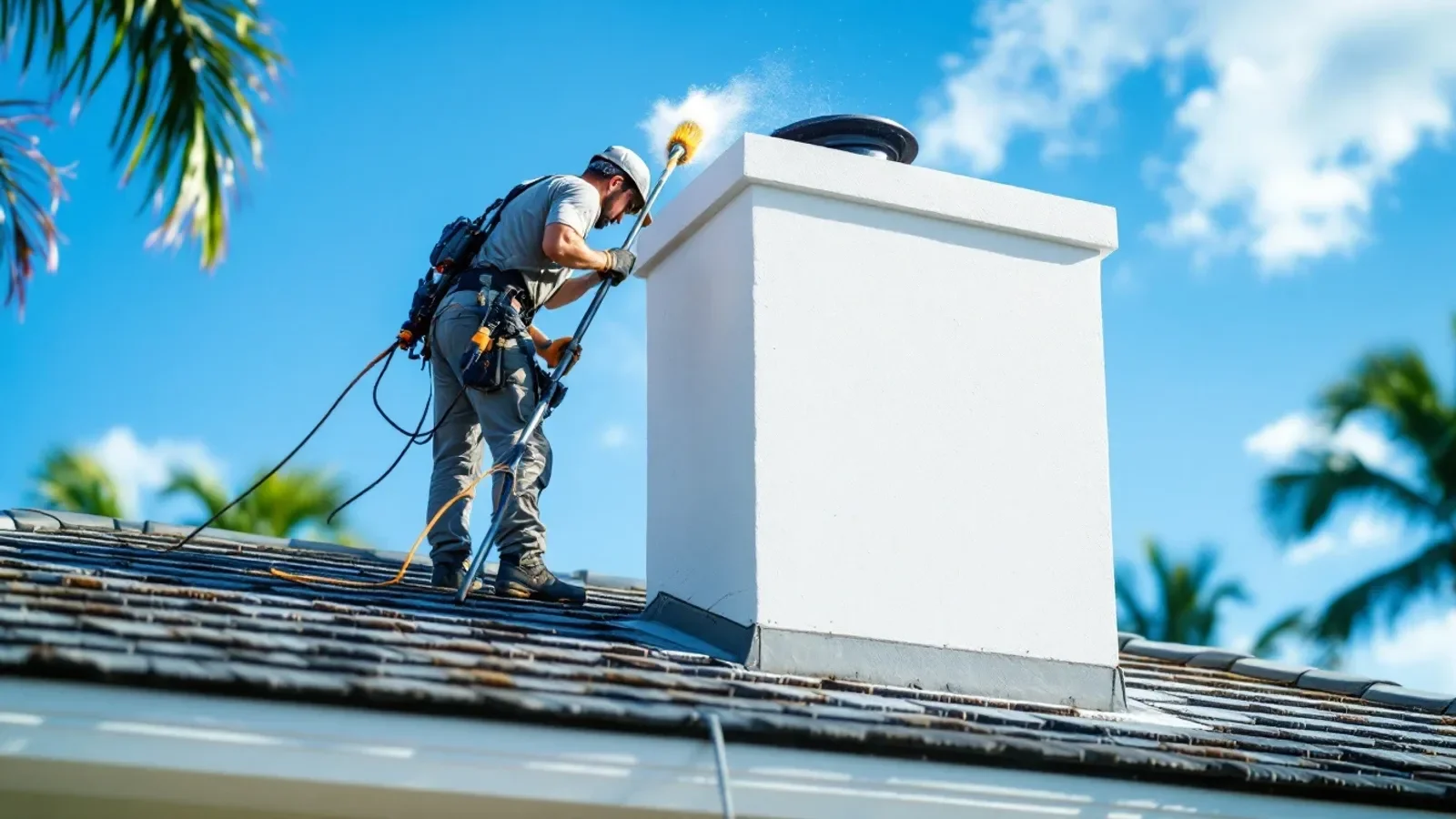
Most fireplace guides say once a year. That advice was written for cold-climate homes burning wood all winter. In Orlando, the rules shift. Year-round humidity, summer thunderstorms, and a short burning season create a different set of risks inside your flue, and knowing how those factors affect your cleaning schedule could prevent a serious problem before it starts. Here is what local homeowners actually need to know.
The Standard Recommendation (and Why It Doesn't Fully Apply Here)
Where the "Annual" Rule Comes From
The National Fire Protection Association's NFPA 211 standard recommends that chimneys be inspected at least once a year, with cleaning performed as needed. That guidance is sound, but it was built around typical usage patterns in colder regions where fireplaces run for months and creosote accumulates quickly. A household burning seasoned hardwood four nights a week from October through March will deposit significantly more creosote than a Central Florida home that lights the fireplace a dozen times a year.
So the annual inspection still makes sense everywhere. But the cleaning frequency? That depends on how much you actually use the fireplace and what the flue is exposed to between uses.
What Changes in a Humid Central Florida Climate
Orlando is inland, but it is hot, humid, and rainy for much of the year. That means two things your flue has to deal with year-round: high relative humidity and heavy summer rain. Both accelerate deterioration in ways that have nothing to do with how often you light a fire.
Moisture that enters through the flue cap, the crown, or small cracks in the liner can mix with residual soot and creosote to form a corrosive acidic compound. Left alone, that compound eats at mortar joints, clay tile liners, and metal components. Wind-driven rain compounds the problem by finding gaps around damaged dampers, caps, and flashing, creating rust and letting even more moisture in.
The practical result: a chimney in Orlando can develop real problems from moisture damage even if you barely used the fireplace last season.
Gas Fireplaces Are Not Off the Hook
A common assumption is that gas fireplaces do not need chimney maintenance. They do not produce creosote, which is true. But the flue still collects moisture, debris, and sometimes nesting material from birds or insects. The venting system on a gas appliance also needs to be clear and intact to exhaust combustion gases properly. An annual chimney inspection for a gas fireplace is still the right call, even if a full sweep is not always required.
Cleaning Frequency by Fireplace Type and Usage
Wood-Burning Fireplaces: Use Volume Matters Most
For a wood-burning fireplace in Orlando, the honest answer is that cleaning frequency should track how much wood you burn, not just the calendar. A useful benchmark many chimney professionals reference is the one-eighth inch rule: when creosote or soot deposits on the flue walls reach one-eighth of an inch or more, cleaning is needed regardless of when the last sweep happened.
Here is a practical breakdown for local homeowners:
-
Light use (fewer than 10 fires per year): Annual inspection is essential. Full cleaning may be needed every one to two years depending on what the inspection finds.
-
Moderate use (10 to 30 fires per year): Annual cleaning alongside the annual inspection is the right approach.
-
Heavy use (more than 30 fires per year): Consider cleaning twice a year, once before the season and once mid-season if you are burning frequently.
Burning unseasoned or "green" wood accelerates creosote buildup significantly because incomplete combustion produces more particulate. If your wood has not been dried for at least six months, deposits form faster and may require more frequent attention.
Gas and Propane Fireplaces
As noted above, gas appliances skip the creosote issue but still benefit from annual inspections. In Central Florida's humid environment, the venting components and firebox are worth checking every year. A technician can spot early corrosion, confirm the damper or flue seal is intact, and make sure no debris has entered the flue during the long off-season.
Decorative and Rarely Used Fireplaces
Some Orlando homes have fireplaces that are essentially decorative, lit only for atmosphere a few cold nights a year. Even these benefit from an inspection every one to two years. Moisture damage and animal intrusion do not care whether you burned wood last month. A chimney that sits closed and humid for years can develop liner cracks, spalling brick, or a failed crown without any visible sign from inside the house.
Central Florida Conditions That Accelerate Chimney Deterioration
Humidity and Moisture Intrusion
Relative humidity in the Orlando area is high for much of the year, especially overnight and during the rainy season from June through September. That moisture finds its way into chimneys through any available gap: a cracked crown, a deteriorating mortar joint, a poorly fitted cap, or a damaged flashing where the chimney meets the roof.
Once inside, moisture combines with soot residue to produce acidic condensation. Over time, this weakens the flue liner, softens mortar, and can cause efflorescence (the white mineral staining you sometimes see on brick chimneys). Catching this early through regular chimney inspection is far less disruptive than addressing a collapsed liner or crumbling masonry.
Rust on Metal Components
Constant humidity and frequent rain are hard on metal. Components including the damper plate, chimney cap, and any metal liner sections are especially vulnerable, and many Orlando homes have factory-built fireplaces with metal flues and chase covers that rust when a cap or cover is missing or damaged. Rust compromises the seal of a damper, meaning moisture and outside air enter the flue freely. A corroded cap may let rain fall directly into the firebox. These are not cosmetic issues; they affect both the structural integrity of the chimney and the safety of anyone using the fireplace.
During a professional cleaning, a technician will assess these metal components and flag anything that needs attention before rust causes a failure.
Storm Season, Lightning, and Debris
Hurricane season runs from June through November. Even storms that cross the state well inland bring heavy rain, high winds, and flying debris, and the daily thunderstorms of summer add frequent lightning. A chimney cap can be dislodged, flashing can lift, and wind-driven rain can force water into a flue that would otherwise stay dry. After any significant storm, it is worth having the chimney checked even if your regular inspection is not yet due.
Oak leaves, pine needles, and other organic debris that enter through a damaged or missing cap can block airflow and create a fire hazard if they accumulate near the firebox. Nesting birds, squirrels, and insects are also a real possibility in a chimney that sits unused for months.
Signs Your Chimney Needs Cleaning Now, Not Later
What You Can See and Smell
You do not need to climb on the roof to notice some warning signs. Inside the home, watch for:
-
A persistent smoky or musty odor coming from the fireplace, even when it has not been used recently
-
Black or dark brown oily staining on the firebox walls or damper area
-
Visible soot or debris falling into the firebox
-
Smoke that backs up into the room when the fireplace is lit
-
A damper that is difficult to open or close, which may indicate rust or debris buildup
From outside, look for white staining on the chimney brick (efflorescence from moisture), gaps in the mortar, a cracked or missing chimney cap, or any visible damage to the flashing at the roofline. Any of these warrants a call to a professional rather than waiting for the next scheduled visit.
After a Long Period of Non-Use
If you have moved into a home and do not know when the chimney was last serviced, schedule an inspection and cleaning before using the fireplace at all. This is especially relevant in Orlando, where many homes change hands and some fireplaces may not have been used or inspected in years. A level 2 inspection, which includes a visual examination of accessible interior surfaces, is typically recommended for any home purchase.
Creosote Stages: Why Early Removal Matters
Creosote progresses through three stages as it accumulates. First-degree deposits are light and dusty, easy to brush away. Second-degree deposits are flaky and harder, requiring more effort to remove. Third-degree deposits are thick, tar-like, and can be extremely difficult to clean, sometimes requiring specialized equipment or chemical treatment. Catching creosote at the first or second stage through regular cleaning is far simpler and less expensive than addressing a third-degree buildup.
Chimney Cleaning vs. Chimney Inspection: Not the Same Thing
What a Cleaning Actually Involves
A professional chimney cleaning involves removing creosote, soot, and debris from the flue using brushes, rods, and a high-powered vacuum to contain the mess. The firebox, smoke shelf, damper area, and accessible flue surfaces are all addressed. A good technician will also check the condition of visible components while working and flag anything that looks problematic.
A thorough cleaning should give homeowners a clear picture of the flue's condition, not just a quick brush-through.
What an Inspection Covers That Cleaning Does Not
An inspection goes further. Depending on the level, it may include a review of the chimney structure, the liner integrity, the exterior masonry, the crown, the cap, and the flashing. A level 2 inspection uses a camera to examine interior flue surfaces that cannot be seen from above or below. This is the only way to detect liner cracks, spalling, or blockages hidden within the flue.
The short version: cleaning removes what is there now; inspection tells you the condition of what remains. Both matter, and they work best together.
Combining Services for Efficiency
Scheduling a cleaning and inspection together is the most practical approach for most homeowners. The technician cleans first, which makes it easier to see the flue walls clearly during the inspection. You get a complete picture of your chimney's condition in a single visit, and you can address any repairs before the next time you use the fireplace.
A Quick Reference: Recommended Cleaning Frequency
| Fireplace Type | Usage Level | Recommended Cleaning Frequency |
|---|---|---|
| Wood-burning | Light (under 10 fires/year) | Every 1 to 2 years (inspect annually) |
| Wood-burning | Moderate (10 to 30 fires/year) | Annually |
| Wood-burning | Heavy (30+ fires/year) | Twice per year |
| Gas/propane | Any | Inspect annually; clean as needed |
| Decorative/rarely used | Minimal | Inspect every 1 to 2 years |
| Any type (post-storm) | N/A | Inspect after any significant storm |
| Any type (new-to-you home) | Unknown history | Level 2 inspection before first use |
Choosing the Right Time of Year in Central Florida
Before or After Hurricane Season?
In most of the country, homeowners schedule chimney service in the fall before heating season begins. In Orlando, the calculus is a bit different. Scheduling an inspection and cleaning once the worst of hurricane season has passed, roughly in October or November, makes practical sense. You catch any storm-related damage before the cooler months when you are most likely to use the fireplace, and you start the season with a clean, inspected flue.
If you used the fireplace frequently the previous winter, a spring cleaning before the rainy season begins is also worth considering. It removes residual creosote and soot that would otherwise sit in a humid environment for months, accelerating corrosion and odor issues.
Timing Around Cooler Weather
Orlando does get genuine cool spells and the occasional freeze night from November through February, and that is when most local fireplaces see their heaviest use. Getting service done in October or early November means you are not scrambling to find an available appointment when everyone else in the neighborhood suddenly wants their fireplace ready for the first cold snap.
Do Not Wait for a Problem to Appear
Chimney issues are almost always cheaper and simpler to address when caught early. A small crack in a flue tile, a slightly corroded cap, or a modest creosote buildup is a routine repair or cleaning job. The same issue left for another year or two through humid summers and rainy seasons can become a liner replacement or masonry rebuild. Regular maintenance is not just about safety; it protects a real investment in your home.
Frequently Asked Questions
Can I clean my chimney myself?
Basic firebox sweeping is something homeowners can do, but a full flue cleaning requires specialized brushes, rods, and a commercial-grade vacuum to prevent soot from coating your living space. More importantly, DIY cleaning does not give you the inspection component that catches structural issues. For anything beyond light surface cleaning, a professional sweep is the safer and more thorough option.
How long does a chimney cleaning take?
For most residential chimneys, a professional cleaning combined with a basic inspection takes roughly one to two hours. Heavily soiled flues, taller chimneys, or those requiring more detailed inspection work may take longer. A technician can give you a realistic time estimate when you book.
Does Orlando's warm climate mean I need chimney service less often?
Not necessarily. You may burn less wood than a homeowner in a cold climate, which reduces creosote accumulation. But Central Florida's humidity and heavy summer rain introduce their own deterioration risks that have nothing to do with how often you light a fire. Annual inspections remain the right standard regardless of how mild the weather is.
What is the difference between a chimney sweep and a chimney cleaning?
The terms are often used interchangeably. A chimney sweep is the trained professional who performs the work; chimney cleaning describes the service itself. Both refer to the process of removing creosote, soot, and debris from the flue and firebox.
Should I get a chimney inspection when buying a home in Orlando?
Yes. A level 2 chimney inspection is the standard recommendation for any home purchase. It gives you an accurate picture of the flue's condition, including interior surfaces that a general home inspector will not examine in detail. Discovering a cracked liner or failed crown before closing is far better than discovering it after you move in.
How do I know if my chimney cap is damaged?
From the ground, look for a cap that appears tilted, missing, or visibly rusted. After a storm, check for debris in the firebox, which often indicates the cap was dislodged. A musty smell from the fireplace during rainy weather can also suggest moisture is entering through a compromised cap. When in doubt, have a technician take a look.