

Chimney Repair Costs in Orlando Explained
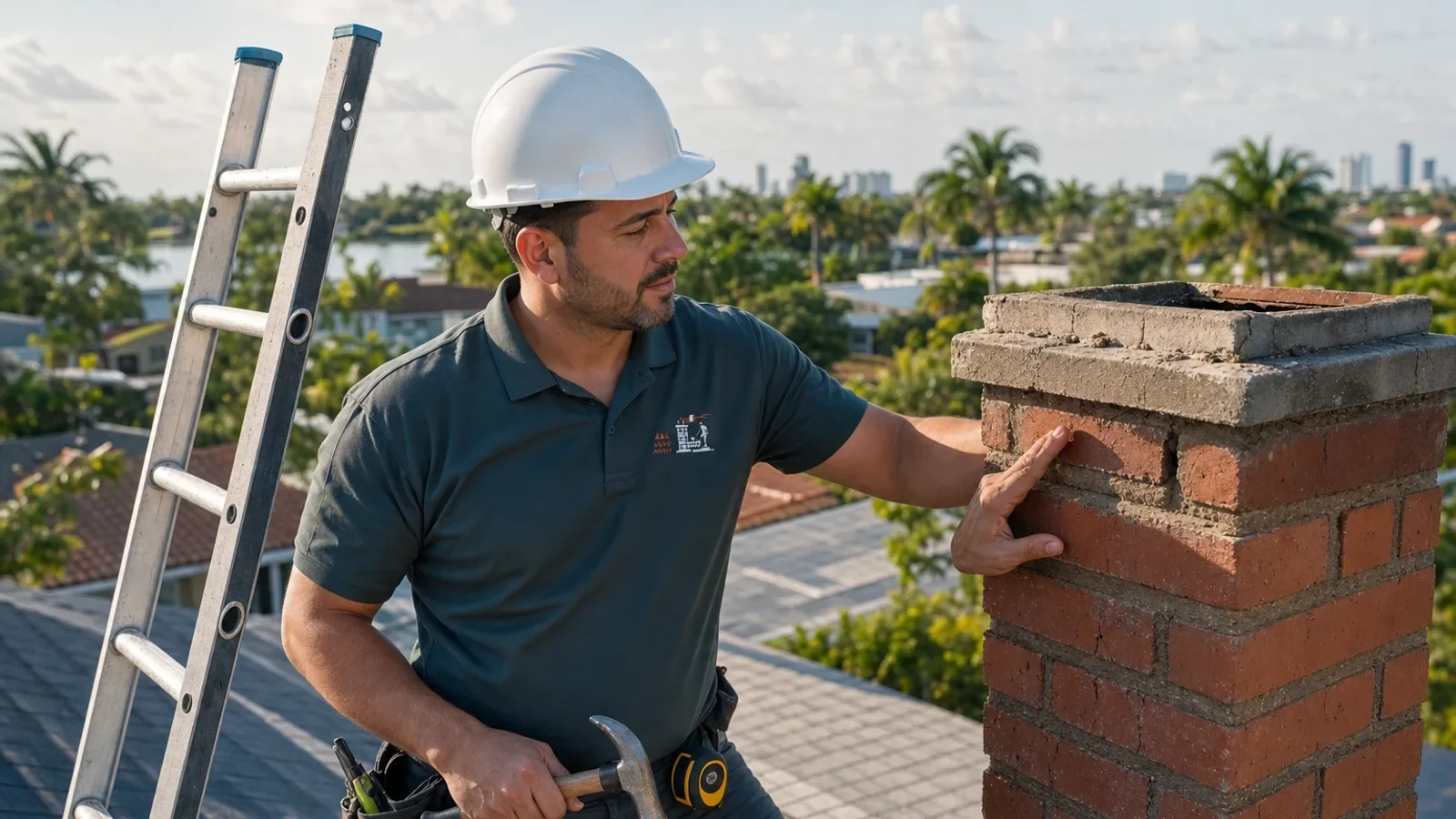
Most Orlando homeowners only think about their chimney when something goes wrong. By then, a small masonry crack or a failing flue liner has often grown into a much larger project. Understanding what actually drives repair pricing, before you need the work, puts you in a far better position to evaluate quotes, prioritize repairs, and avoid paying for work you don't need.
Why Central Florida Chimneys Face a Unique Set of Problems
A common assumption is that chimneys in Florida see less wear than those in colder climates. The logic makes sense on the surface: fewer fires mean less heat cycling. But the reality is more complicated.
Humidity and Rain Are Relentless
Orlando is inland, but moist air is a fact of life here for most of the year, and the summer rainy season soaks every exposed surface on a roof. That moisture breaks down mortar joints, brick faces, and metal components like the damper and flashing. With humidity that stays high through much of the year, the conditions inside and around a chimney promote moisture absorption almost constantly. Mortar is porous by nature. When it pulls in moisture and that moisture expands during temperature swings (even mild ones, and the occasional winter freeze night), the joints crack and crumble faster than they would in a dry climate.
Summer Storm Season Takes a Toll
Heavy rains, sometimes several inches in a single afternoon, push water into every gap a deteriorating chimney presents. A cracked chimney crown, a compromised flashing seal, or a damaged cap allows that water to travel down the flue and into the firebox. Over months and years, that water intrusion softens the mortar, stains the masonry, and can cause the flue liner to spall or separate. By the time the water shows up as a stain on the ceiling or a musty smell near the fireplace, the underlying damage is usually more extensive than it first appears.
Infrequent Use Creates Its Own Problems
Fireplaces in Orlando may go months without a fire. During that time, the flue sits open to humidity, nesting animals, and debris. Nests block airflow, debris holds moisture against the liner, and a flue that hasn't been swept recently may have creosote deposits that harden into a glaze that's difficult to remove. chimney cleaning before any inspection or repair is often the first step precisely because a technician can't accurately assess the liner's condition through a layer of buildup.
The Biggest Cost Drivers in Any Chimney Repair Estimate
No two chimneys are identical, and no two repair quotes will be either. That said, a handful of factors consistently move the needle on what a project will cost. Knowing them helps you read a quote critically rather than just comparing the bottom line.
Extent and Location of Masonry Damage
Tuckpointing, which is the process of removing deteriorated mortar and replacing it with fresh material, is one of the most common chimney repairs. The cost scales directly with how many linear feet of joint need attention and where those joints are located. Work at the base of the chimney, accessible from ground level, is straightforward. Work at the top of a two-story chimney requires staging or a tall ladder setup, which adds time and labor. Widespread spalling (where brick faces flake off) is more involved than simple joint repointing because the damaged brick units themselves may need replacement.
Flue Liner Condition
The flue liner is the interior channel that vents combustion gases out of the home. Most older masonry chimneys in the Orlando area used clay tile liners. Clay is durable under normal conditions, but moisture intrusion and heat cycling cause the tiles to crack and separate. A liner with isolated cracks may be repairable with a heat-resistant sealant. A liner with widespread damage, or one that has shifted out of alignment, typically requires relining with a stainless steel insert or a cast-in-place liner system. Relining is one of the more significant chimney repair investments because it involves specialized materials and labor throughout the full height of the flue. Newer factory-built fireplaces have metal flues instead, which have their own repair and replacement rules.
Chimney Crown and Cap Repairs
The chimney crown is the concrete or mortar slab that covers the top of the chimney structure, surrounding the flue opening. It's the first line of defense against rain. Crowns crack from normal thermal movement and from the same moisture cycles described above. A crown with hairline cracks can often be sealed with a flexible, waterproof crown coat product. A crown that has cracked through or crumbled significantly needs to be rebuilt. The chimney cap (the metal cover that sits over the flue opening) is a separate component. Caps rust in our humid climate, and a missing or damaged cap allows rain, debris, and animals directly into the flue.
Flashing Integrity
Flashing is the metal (typically aluminum, galvanized steel, or lead) that seals the joint between the chimney and the roof surface. When flashing fails, water runs directly into the roof deck and attic. In Orlando, where roofs take significant rain load, failing flashing can cause water damage that spreads well beyond the chimney itself. Flashing repairs vary in scope from resealing the existing metal with a high-quality caulk to fully removing and replacing the step flashing and counter-flashing. The roofing material (tile, shingle, flat membrane) affects the complexity of the work because each material requires a different flashing approach.
Accessibility and Chimney Height
A single-story home with a relatively short chimney is easier and faster to work on than a two-story home where the chimney extends well above the roofline. Labor accounts for a meaningful portion of any repair quote, and difficult access increases the time required for every task from inspection to final cleanup.
A Repair You Skip Today Usually Costs More Later
This is worth stating plainly: chimney deterioration is cumulative. A cracked crown that lets water in this season will, over the next few years, cause the mortar joints below it to fail, the flue tiles to crack, and potentially the firebox floor to heave. What might have been a crown repair and a cleaning becomes a crown rebuild, liner repair, and extensive repointing. Deferred maintenance consistently converts smaller repair scopes into larger ones.
The Role of Annual Inspections
The Chimney Safety Institute of America (CSIA) recommends that chimneys be inspected at least once per year, regardless of how often the fireplace is used. In Orlando's environment, that recommendation makes practical sense. An annual inspection catches moisture damage early, before it migrates to more expensive components. It also identifies animal intrusion, cap damage, and flashing issues while they're still relatively minor. A good inspection evaluates all of these components systematically, giving homeowners a clear picture of what needs attention now versus what can be monitored.
Cleaning Before Repair: Why the Order Matters
Attempting to assess flue liner condition through creosote and soot deposits gives an incomplete picture. A thorough chimney sweep removes the buildup so the technician can see the liner surface clearly, identify cracks or separations, and give an accurate repair recommendation. Scheduling a cleaning and inspection together is more efficient than doing them separately, and it ensures the repair scope is based on an accurate view of the chimney's actual condition.
How to Read a Chimney Repair Quote in Orlando
Getting multiple quotes is reasonable, but comparing them requires knowing what to look for. A lower number on a quote isn't always a better deal.
What a Thorough Quote Should Include
| Quote Element | What to Look For | Red Flag |
|---|---|---|
| Scope description | Specific components named (crown, flashing, liner, etc.) | Vague language like "chimney repair" with no detail |
| Materials specified | Product type or grade listed (e.g., stainless liner, flexible crown coat) | No mention of materials at all |
| Inspection basis | Quote follows an on-site inspection, not a phone estimate | Quote given before anyone has seen the chimney |
| Warranty terms | Clear statement of what's covered and for how long | No warranty mentioned or warranty limited to "workmanship" |
| Licensing and insurance | Contractor is licensed in Florida and carries liability insurance | Reluctance to provide license or insurance documentation |
| Cleanup and access | Includes debris removal and protection of interior surfaces | No mention of how the work area will be managed |
Phone Quotes Are Not Reliable
Any chimney service that offers a firm price over the phone, without inspecting the structure, is guessing. Chimney damage isn't visible from the street, and the scope of a liner problem or the extent of mortar deterioration can't be determined without getting eyes on the flue and the exterior masonry. A quote that follows an actual inspection is more reliable and more comparable to other quotes that did the same.
Understanding What's Optional vs. Urgent
A good technician will distinguish between repairs that address an active safety concern (a cracked liner that allows combustion gases to enter the living space, for example) and work that improves longevity but isn't immediately critical (applying a water repellent to sound masonry). Ask the technician to prioritize the recommendations. That conversation tells you a lot about how they approach their work.
Common Chimney Repairs Specific to Central Florida Homes
Based on the conditions Orlando-area chimneys face, a few repair types come up more frequently than others.
Crown Rebuilds After Storm Damage
Storm season accelerates crown deterioration significantly. Even storms that don't cause obvious roof damage can send water into existing crown cracks with enough force to widen them. After a major storm, it's worth having the crown examined even if the rest of the chimney looks intact from the ground. A rebuilt crown, properly sloped to shed water away from the flue and sealed with a flexible waterproof coat, can add years to the life of the masonry below it.
Flashing Replacement on Tile Roofs
Some Orlando homes have barrel tile or flat tile roofs, though asphalt shingles are more common. Flashing a chimney against tile is more involved than against asphalt shingles because the metal must integrate with the tile profile without creating low spots where water can pool. When this work is done incorrectly or with inadequate materials, leaks develop at the chimney base and can damage the roof deck. Proper flashing replacement on a tile roof requires experience with both chimney and roofing systems.
Liner Repairs in Older Homes
Homes built before the 1980s in this area sometimes have clay tile liners that have never been replaced. Decades of moisture exposure, even with minimal fireplace use, can cause the mortar that holds the tile sections together to deteriorate. A camera inspection of the flue (a standard part of a thorough chimney inspection) will show whether the liner is intact or whether sections have shifted or cracked. If a reline is warranted, a stainless steel flexible liner insert is a common solution because it can be installed through the existing flue without demolishing the chimney structure.
Working With All About Chimney Orlando on Chimney Repairs
All About Chimney Orlando serves Orlando and nearby Central Florida communities such as Winter Park, Apopka, and Winter Garden with a focus on chimney services: inspections, cleaning, and repairs including masonry work, crown rebuilding, flashing, and liner repair.
The Value of a Combined Inspection and Cleaning
Because cleaning and inspection work together to give an accurate picture of chimney condition, scheduling both at the same visit is usually the best approach. This avoids the situation where a repair is quoted based on an incomplete view of the flue and then expanded once the cleaning reveals additional issues. Homeowners often find that starting with a thorough chimney inspection gives them a clear repair roadmap rather than a series of escalating surprises.
Honest Scope, Honest Quotes
The goal of any inspection should be an accurate picture of what the chimney actually needs, not a list designed to maximize the invoice. When the damage is minor, that should be reflected in the scope. When it's significant, the homeowner deserves a clear explanation of why and what the consequences of deferring the work would be. That kind of straightforward communication is what separates a service provider worth hiring from one that simply wins on price.
Frequently Asked Questions About Chimney Repair in Orlando
How often should a chimney in Central Florida be inspected?
At minimum, once per year. The CSIA recommends annual inspections regardless of use frequency. In Orlando specifically, the combination of high humidity, heavy summer rain, and storm season makes regular inspections particularly valuable for catching moisture damage before it spreads.
Can I tell from the ground whether my chimney needs repairs?
Sometimes. Visible white staining (efflorescence), crumbling mortar, a damaged or missing cap, and rust streaks are all signs visible from ground level. But liner damage, crown cracking, and early-stage flashing failure often aren't visible without a closer look. A camera inspection of the flue is the only reliable way to assess the liner.
Is chimney cleaning necessary if I rarely use my fireplace?
Yes, for a different reason than heavy users. Infrequent use allows moisture, debris, and animals to accumulate in the flue. A sweep removes that material and allows the technician to see the liner clearly. It also removes any nesting material that could block airflow or create a fire hazard the next time the fireplace is used.
What's the difference between a chimney cap and a chimney crown?
The cap is the metal cover that sits directly over the flue opening, keeping rain and animals out of the flue itself. The crown is the concrete or mortar structure that covers the entire top of the chimney, surrounding the flue pipe. Both serve water-management functions, and both are common repair items in Central Florida.
How long does a typical chimney repair take?
Minor repairs like cap replacement or crown sealing can often be completed in a few hours. More involved work like flashing replacement or relining typically takes a full day. Extensive masonry repairs may require multiple visits, particularly if mortar needs time to cure before the next phase of work.
Does homeowner's insurance cover chimney repairs?
Coverage depends heavily on the cause of damage and your specific policy. Sudden storm damage is more likely to be covered than gradual deterioration from deferred maintenance. Your insurer will want documentation, which is another reason a detailed inspection report is valuable. Check your policy and consult your insurer directly for guidance specific to your situation.