

Creosote Buildup: The Hidden Danger in Your Chimney
What Is Creosote?
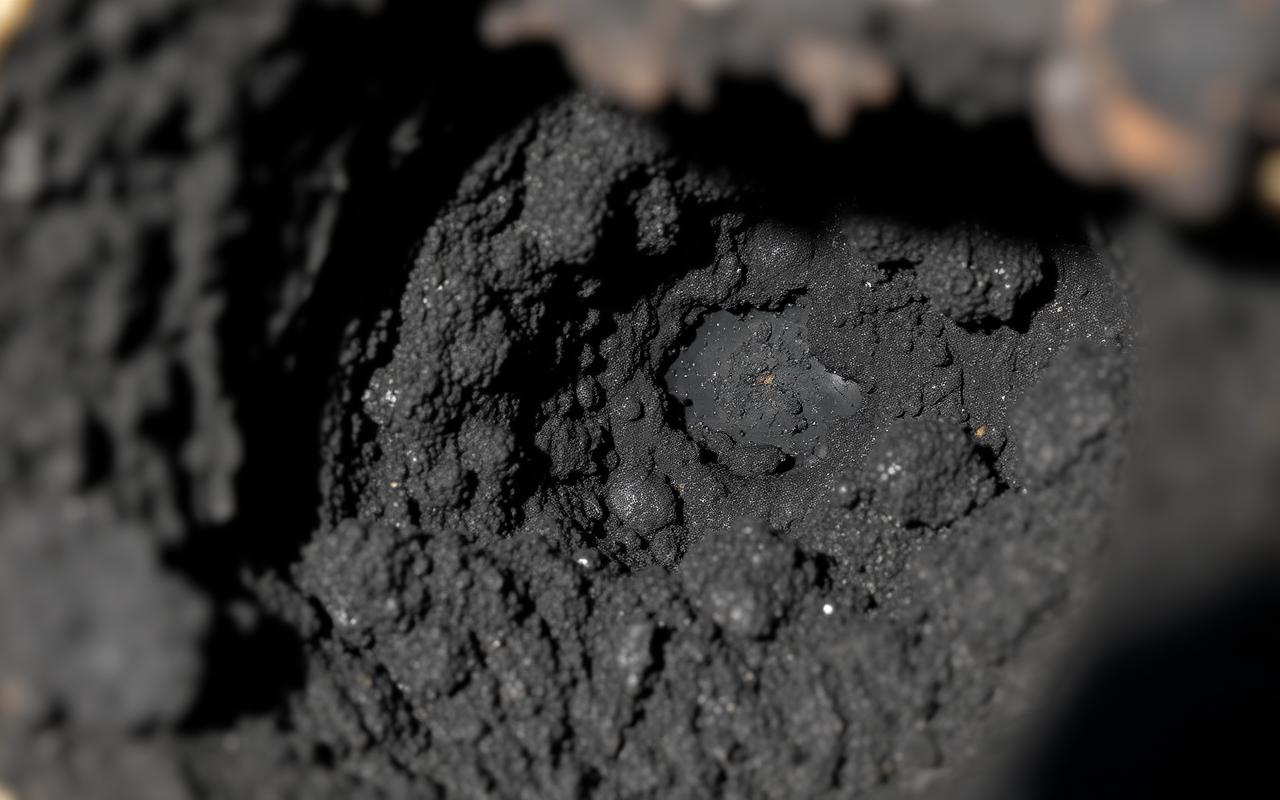
Creosote is a tar-like residue formed when wood smoke condenses on the cool walls of your chimney. It's flammable, corrosive, and accumulates a little more with every fire you burn.
Stage 1: Flaky and Easy to Remove
Looks like coarse soot. A standard chimney sweep brushes it off easily. This is the safest stage, and exactly why annual sweeps matter.
Stage 2: Hard, Tar-Like Deposits
Sticky, harder to remove, often forms when fires burn too cool or with green wood. Requires more aggressive sweeping techniques and sometimes chemical treatment.
Stage 3: Glazed Creosote (The Danger Zone)
A shiny, hardened black coating that's nearly impossible to remove without specialized rotary tools or PCR (Poultice Creosote Remover) treatments. Highly flammable, chimney fires at this stage can reach 2,000°F and crack the flue.
All creosote is dangerous, but Stage 3 creosote can ignite at temperatures a normal fire easily produces.