

Chimney Maintenance Schedule for Central Florida Homeowners
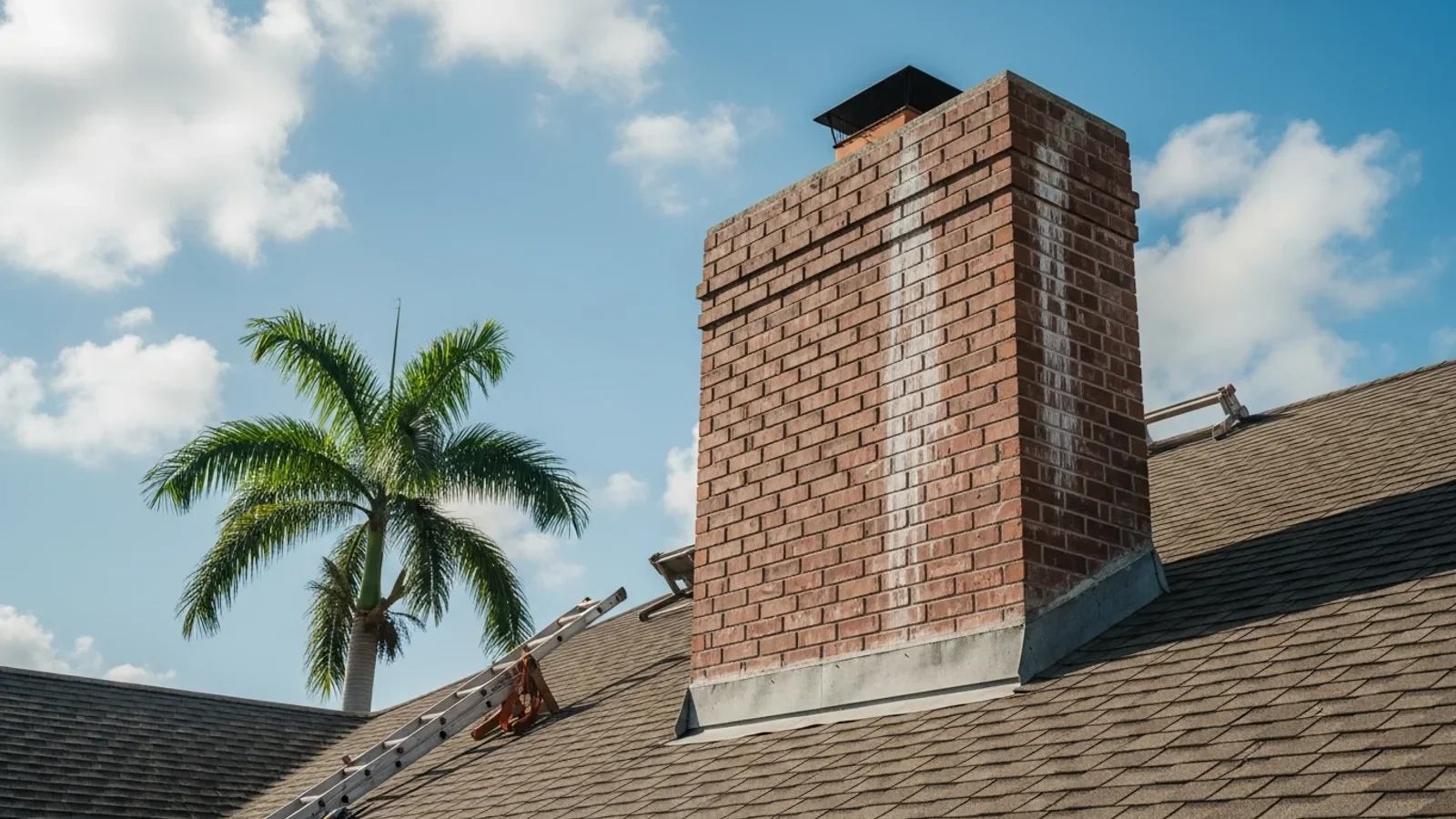
Moisture never takes a day off in Orlando. While a chimney might sit quietly through most of the year, humidity, daily summer rain and fast-growing mildew work on masonry, mortar joints, and metal components around the clock. By the time visible spalling or rust appears, the underlying damage has usually been building for months. This guide walks you through a practical, season-by-season maintenance schedule designed specifically for the Central Florida climate, so small issues stay small and your fireplace system stays ready whenever you want to use it.
Before You Start: What You'll Need
-
A bright flashlight or headlamp for visual inspections
-
Binoculars (useful for checking the chimney crown and cap from the ground)
-
Replacement chimney cap (if yours is corroded or missing)
-
Breathable masonry water repellent suitable for exterior brick
-
A stiff-bristle brush and mild detergent for exterior surface checks
-
Replacement fireplace damper gasket (if yours is worn)
-
A notebook or phone app to log observations and service dates
-
Contact information for a qualified chimney sweep serving Orlando
You do not need to climb onto the roof for this schedule. Most of the homeowner-level tasks below are ground-level or firebox-level checks. Anything that requires accessing the flue interior, repairing masonry, or working at height should be handled by a qualified professional.
Step 1: Understand Why Central Florida Humidity Changes the Maintenance Timeline
Standard chimney maintenance advice is written for four-season climates where chimneys get heavy use in winter and rest in summer. Orlando operates on an almost opposite rhythm. The rainy season runs roughly from June through September, bringing sustained high humidity, afternoon thunderstorms, frequent lightning, and the kind of warm, moist air that keeps masonry damp and lets creosote and soot residue absorb moisture. Add oak and pine debris, spring pollen, and the occasional tropical storm, and steel dampers, metal flashing, and chimney caps take far more punishment than most people expect.
This means the typical once-a-year inspection cycle is not enough for many homes here. A twice-yearly cadence, one before the cool-weather use period and one after the rainy season, gives you a realistic picture of how each weather cycle has affected your system. It also means the off-season in Central Florida is not truly off: it is the period when moisture damage quietly accumulates. Keeping that in mind shapes every step that follows.
Step 2: Perform Your Pre-Season Inspection in Late October or Early November
Cooler, drier evenings typically arrive in Central Florida between late October and December, with a few freeze nights in the coldest winters, which is when most Orlando homeowners start thinking about using their fireplace. Before lighting the first fire of the season, walk through these checks:
-
Firebox interior: Open the damper fully and shine a flashlight up into the smoke chamber. Look for visible creosote buildup, any white or gray mineral deposits (efflorescence), nesting material, and cracks in the firebox walls or smoke shelf.
-
Damper operation: The damper should open and close smoothly with no grinding or resistance. Rust can seize a damper over the humid summer months even if it worked fine in spring.
-
Chimney cap and screen: From the ground with binoculars, check that the cap is still seated correctly and that the mesh screen has no gaps, tears, or heavy rust. A missing or damaged cap is one of the fastest ways for rainwater, humidity, and wildlife to enter the flue.
-
Crown and mortar joints: Look for hairline cracks in the concrete crown at the top of the chimney stack. Cracked crowns allow water to track down behind the flue liner during summer rains.
-
Flashing at the roofline: Check where the chimney meets the roof for lifted, buckled, or rust-stained flashing. Florida's thermal expansion cycles and storm-season winds can loosen flashing seals over a single summer.
If any of these checks reveal concerns, schedule a professional chimney cleaning and inspection before using the fireplace. A qualified sweep can also evaluate creosote levels that are not visible to the naked eye from the firebox opening.
Step 3: Schedule Professional Cleaning Before the Cool Season Begins
Even if your visual pre-season check looks acceptable, scheduling a professional chimney cleaning in October or early November is the single highest-value maintenance task on this schedule. Here is why it matters in a humid climate specifically: moisture lets creosote and soot cling to flue tile and stainless liner surfaces more stubbornly than they would in a dry climate. A summer of high humidity can leave a thin film of residue harder and more adhesive than it was in spring, and it can resist light brushing. Professional equipment and technique are needed to remove it safely.
If you want it handled correctly the first time, consider professional chimney sweep in Orlando.
A thorough cleaning at this stage also lets the technician document the condition of the liner, smoke chamber, and masonry before the use season begins. That baseline is useful if you need to compare conditions after the following rainy season. For more detail on what the cleaning process involves and how humidity and storms put extra wear on a Central Florida chimney, see our guide on how humidity and storms accelerate chimney deterioration.
Step 4: Maintain the Chimney During the Active Use Season (November Through March)
During the months when you are actually using the fireplace, a few simple habits help keep the system in good shape between professional visits:
-
Burn only seasoned hardwood. Green or wet wood produces significantly more creosote per fire than properly dried wood. In a humid climate where firewood stored outside soaks up moisture, starting with low-moisture fuel makes a real difference.
-
Keep fires at adequate temperature. Slow, smoldering fires at low temperatures produce more creosote than fires burning at a healthy temperature. Build fires that burn actively rather than letting them die down to a cold smolder.
-
Check the firebox after every three to five fires. A quick flashlight check of the smoke shelf and lower flue takes two minutes and lets you catch unusual buildup before it accumulates.
-
Keep the damper fully open while burning. A partially closed damper restricts draw, lowers flue temperatures, and increases creosote deposition.
-
Close the damper completely after each fire is fully extinguished. In Central Florida, an open damper when the fireplace is not in use pulls humid air, pollen, and the occasional curious critter directly into the flue and firebox.
Step 5: Conduct a Post-Season Check in March or April
When the cooler evenings end and you stop using the fireplace for the season, do a brief post-season check before closing it up for the warmer months. This is a homeowner-level visual pass, not a full professional inspection, but it surfaces anything that needs attention before the rainy season arrives.
-
Inspect the firebox for any new cracks or spalling that appeared during the use season.
-
Check the damper for rust spots that may have developed from condensation during use.
-
Look at the exterior of the chimney stack from the ground for any new mortar joint gaps, brick face loss, or staining that was not present in the fall.
-
Note any unusual odors coming from the firebox. A musty or smoky smell with the damper closed can indicate moisture is already entering the flue.
If your post-season check turns up any of these warning signs, addressing them before the rainy season is far less disruptive than dealing with them after months of summer moisture exposure. The signs of moisture damage in chimney masonry guide covers what to look for in more detail.
Step 6: Protect the System Before the Rainy Season (May)
May is the practical preparation window before Central Florida's rainy season arrives in earnest. This is the right time to address any repairs identified in the post-season check and to apply protective measures that will hold through the summer:
-
Apply masonry water repellent if appropriate. A breathable, vapor-permeable water repellent applied to the exterior masonry can reduce moisture absorption significantly. This is not a paint or sealer that traps moisture inside; it is a treatment that allows the masonry to breathe while repelling liquid water. Application should follow a cleaning of the exterior surface and ideally a period of dry weather. If you are unsure whether your chimney's masonry is in suitable condition for this treatment, ask a professional during the spring inspection.
-
Confirm the chimney cap is secure and intact. If the cap screen showed rust or gaps in the fall inspection, replace it now before summer rains begin. A stainless steel cap with a mesh screen will outlast standard galvanized caps considerably in Orlando's humid, rainy climate.
-
Check flashing sealant. If any flashing edges showed lifting or gaps in the pre-season inspection, have a professional reseal them before the first major summer storm.
-
Consider a top-mount damper upgrade. If your current throat damper is corroded or difficult to seal completely, a top-mount damper that seals at the top of the flue rather than inside the firebox provides a much tighter barrier against summer humidity and moisture infiltration.
Step 7: Monitor Through the Rainy Season (June Through September)
Many Orlando homeowners rely on expert chimney sweep in Orlando for exactly this.
You will not be using the fireplace during the summer months, but the chimney still needs occasional attention. Once a month during the rainy season, do a brief exterior check from the ground:
-
Look for new staining on the chimney exterior, particularly white efflorescence streaks that indicate water is moving through the masonry.
-
Check that the chimney cap is still in place after any significant wind events, lightning storms, or tropical weather.
-
After heavy rain, check the area around the fireplace interior for any signs of water intrusion, such as dampness on the firebox back wall, rust staining on the damper frame, or a musty odor in the room.
If you notice active water intrusion during the rainy season, do not wait until fall to address it. Water that enters the flue during summer can cause liner damage, accelerate mortar joint deterioration, and create conditions that make the system unsafe to use when the cool season returns. Understanding the full picture of what moisture does to a chimney over time is covered in our guide to moisture protection and what drives repair costs.
Step 8: Schedule Your Second Professional Inspection in September or October
The second professional visit of the year, timed to the end of the rainy season, serves a different purpose than the pre-season cleaning. At this point, the goal is to assess what four months of humidity and summer storms have done to the system before you start using it again.
A qualified chimney sweep at this inspection should evaluate the flue liner for any new cracks or spalling caused by thermal cycling and moisture, check mortar joints and the crown for new deterioration, confirm the cap and flashing are still properly seated, and assess whether any additional cleaning is needed before the use season. Even if the fireplace was not used over the summer, moisture can deposit mineral residue and promote mildew or mold growth inside a flue that was not adequately sealed, and animals may have moved in.
This second inspection also gives you an opportunity to discuss any changes you noticed during your monthly rainy-season monitoring checks. Bringing those notes to the appointment helps the technician focus on the right areas and gives you a complete picture of your chimney's annual cycle. For guidance on what to look for when selecting a qualified professional for this work, the tips for choosing a chimney sweep in Orlando article walks through the key questions to ask.
Step 9: Keep a Simple Maintenance Log
A maintenance log does not need to be elaborate. A notes app on your phone or a single page in a home binder works fine. Record the date of each professional service visit, what was found, and what was done. Add your own observations from monthly checks, including any staining, odors, or operational changes you noticed.
Over two or three years, this log becomes genuinely useful. It lets you see whether a particular problem, such as efflorescence on the north face of the chimney or a damper that stiffens each summer, is recurring or worsening. It also provides documentation that can matter if you ever sell the property, since buyers and their inspectors in the Orlando market often ask about the age and condition of the fireplace and chimney.
When to Call a Professional in Orlando
Ready for the next step? Learn how chimney sweep services in Orlando can help and reach out to the team.
This schedule is designed to keep homeowner tasks at a safe, manageable level. Call a qualified chimney professional rather than attempting the repair yourself in any of these situations:
-
Any cracks in the flue liner or firebox walls, regardless of how small they appear
-
Active water intrusion into the firebox or smoke chamber
-
A damper that cannot be fully opened or closed
-
Spalling brick faces or crumbling mortar joints anywhere on the chimney stack
-
Any work that requires accessing the roof or the top of the chimney
-
Unusual odors, smoke rollout, or draft problems during fireplace use
-
Any situation where you are uncertain whether the system is safe to use
Orlando's combination of high humidity, heavy summer rainfall, and lightning-heavy storms, followed by a few cool-dry weeks when the fireplace finally gets used, creates a demanding environment for chimney masonry and metal components. Routine maintenance catches the issues that are inexpensive to address before they become the ones that are not. A professional chimney cleaning built around this Central Florida rhythm works better than a generic national checklist.
Frequently Asked Questions
How often does a chimney in Orlando actually need professional cleaning?
Twice a year is a reasonable baseline for many Central Florida chimneys: once before the cool-weather use period and once at the end of the rainy season. Chimneys that see heavier use, or those with older masonry that absorbs more moisture, may benefit from additional attention. A professional can advise on the right cadence for your specific system after the first inspection.
Can I use the fireplace occasionally without scheduling regular maintenance?
Occasional use still produces creosote, and in a humid climate that residue can absorb moisture and cling to flue surfaces. Even light use over several seasons without cleaning can result in buildup that is harder to remove and that poses a fire risk. Regular maintenance is not just for heavy users.
Does a chimney cap really make a significant difference in Orlando?
A properly fitted, corrosion-resistant chimney cap is one of the most cost-effective protective measures available for an Orlando chimney. It blocks direct rainwater entry, reduces the volume of humid air that enters the flue when the fireplace is not in use, and keeps debris, birds, squirrels and raccoons out of the system. A missing or deteriorated cap accelerates nearly every other form of moisture damage on this list.
What is efflorescence and should I be concerned about it?
Efflorescence is the white, chalky residue that appears on masonry surfaces when water moves through the material and deposits dissolved minerals on the surface as it evaporates. On a chimney, it is a reliable indicator that water is actively infiltrating the masonry. It is not structural damage in itself, but it signals that moisture is present and that the underlying masonry may be deteriorating. It warrants a professional evaluation rather than simply washing it off.
Is it normal for the firebox to smell musty in the summer?
A musty or smoky odor from the firebox during warm, humid months is common in Central Florida and usually indicates that humid air is entering the flue and interacting with residual creosote or soot deposits. Ensuring the damper seals tightly when closed and having the flue cleaned before the next use season typically reduces or eliminates the odor. Persistent or strong odors, or any smell of gas, warrant an immediate professional inspection.